Blog

  • week26-final

    The work in the later stages of the project mainly revolved around overall optimization and improvement of the results. I assisted the programming team in adjusting and optimizing the art resources, making modifications to address issues that arose during the process of model, material, and resource invocation. Since version management tools such as GitHub were not used for collaborative development in the early stages of the project, project resources were primarily consolidated and tested by the members responsible for program development. Therefore, the later stages of functional verification and version management were also mainly undertaken by the programming team.

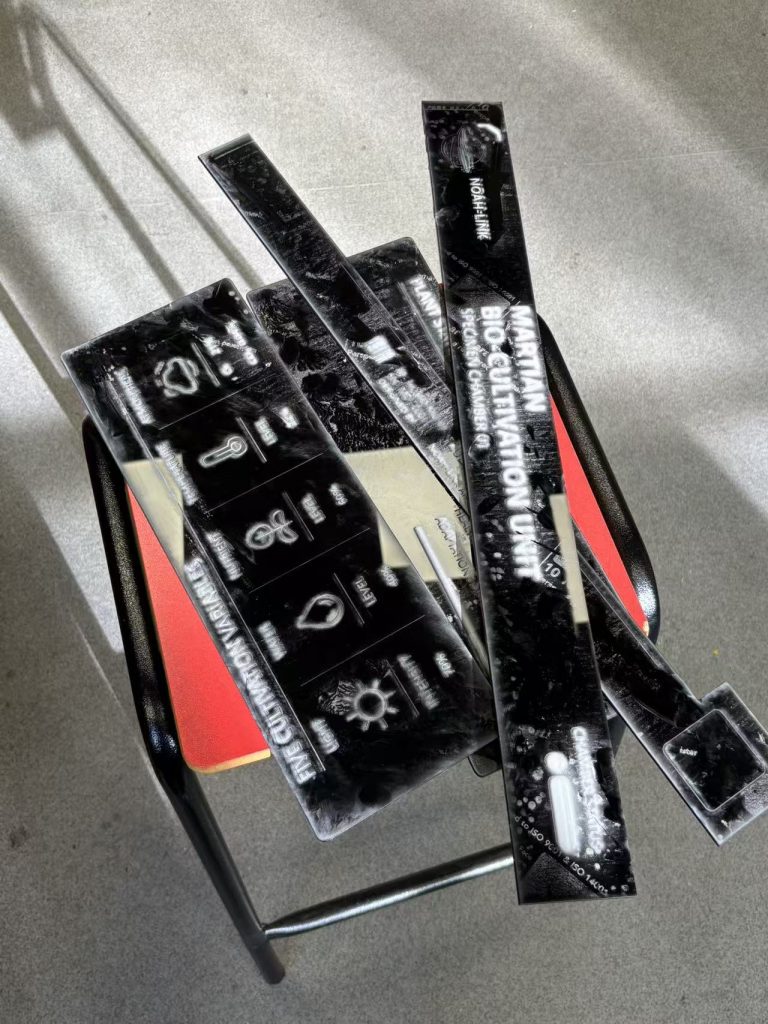
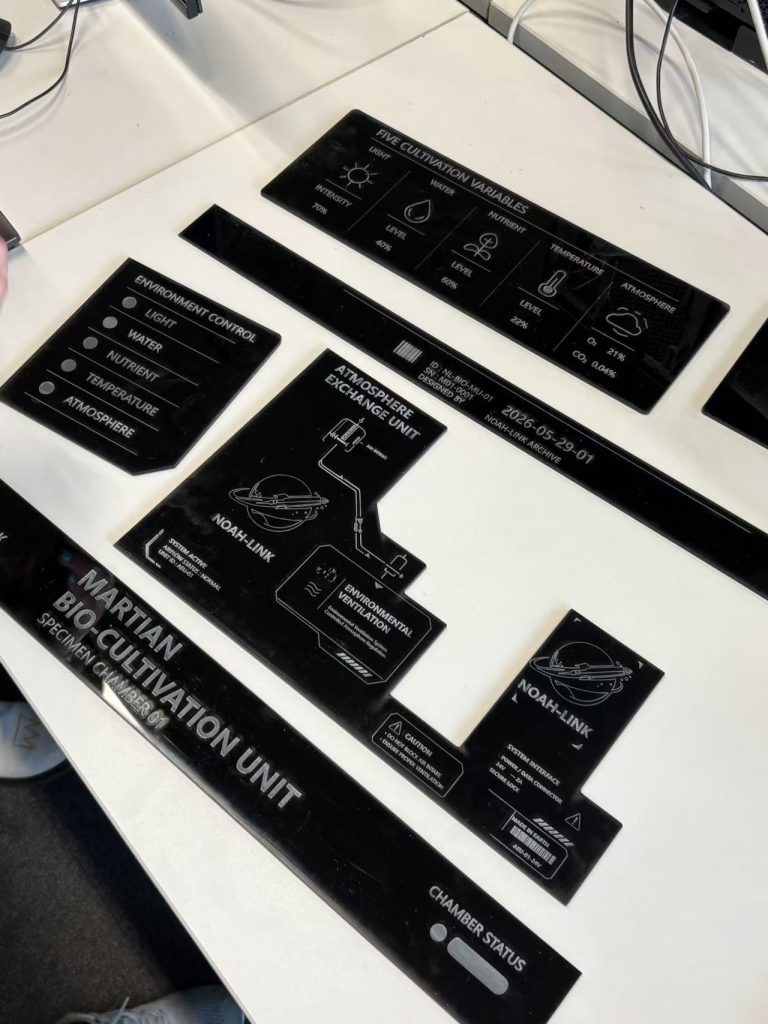
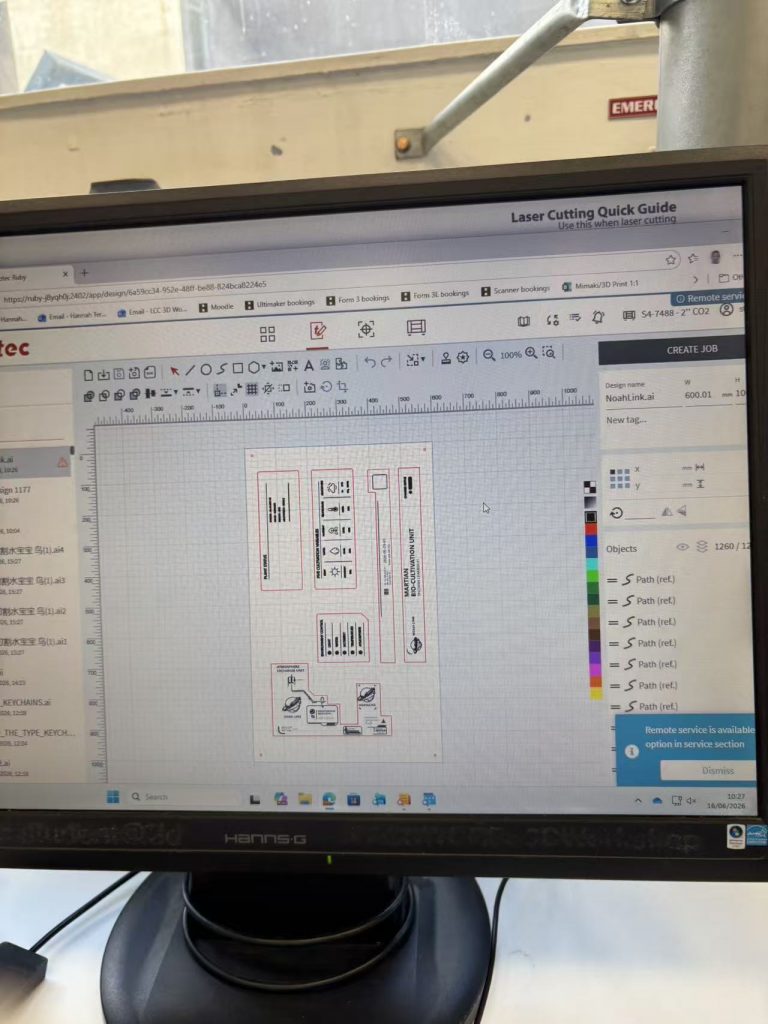
    In terms of physical devices, I continued to participate in the subsequent optimization work. Based on the feedback from the previous demonstration test, we found that the decorative effect of the shell originally made using stickers was weak, and it could not fully reflect the technological feel of the cultivation chamber. Therefore, we adjusted the production plan and adopted acrylic sheets for laser cutting and laser printing, applying the patterns directly to the device surface, which further improved the overall texture and finish.

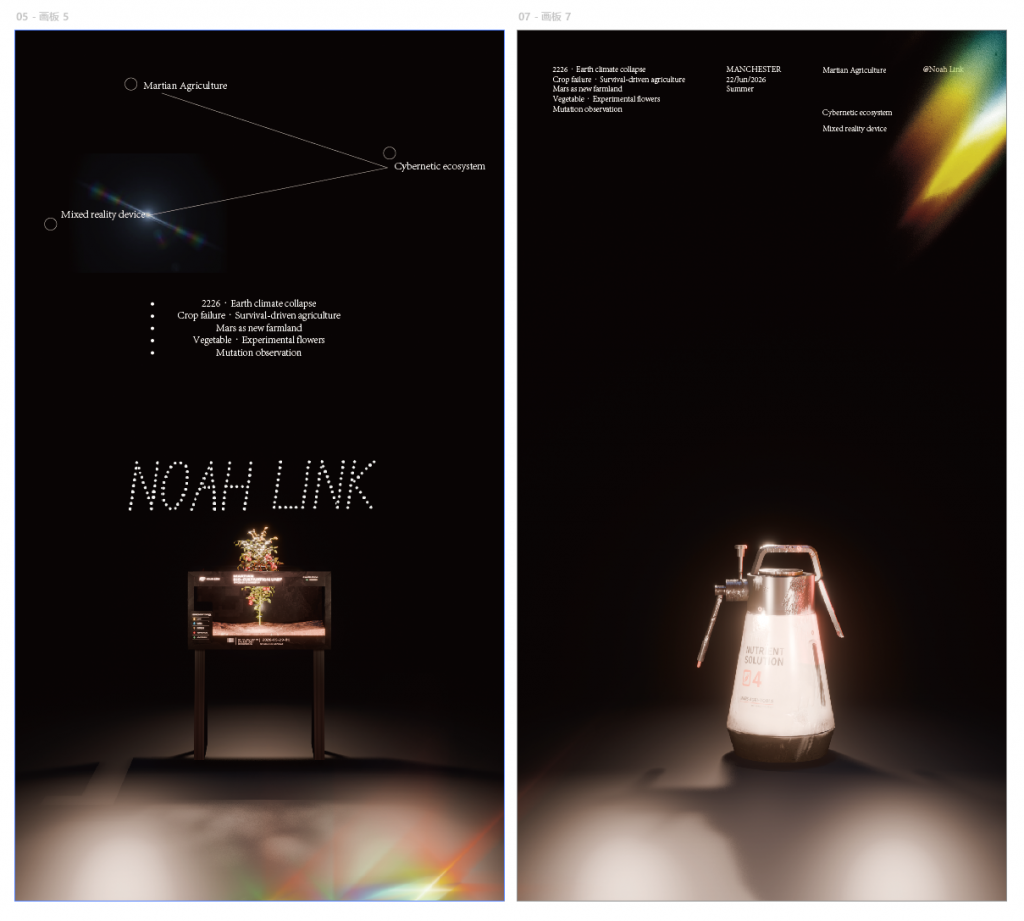
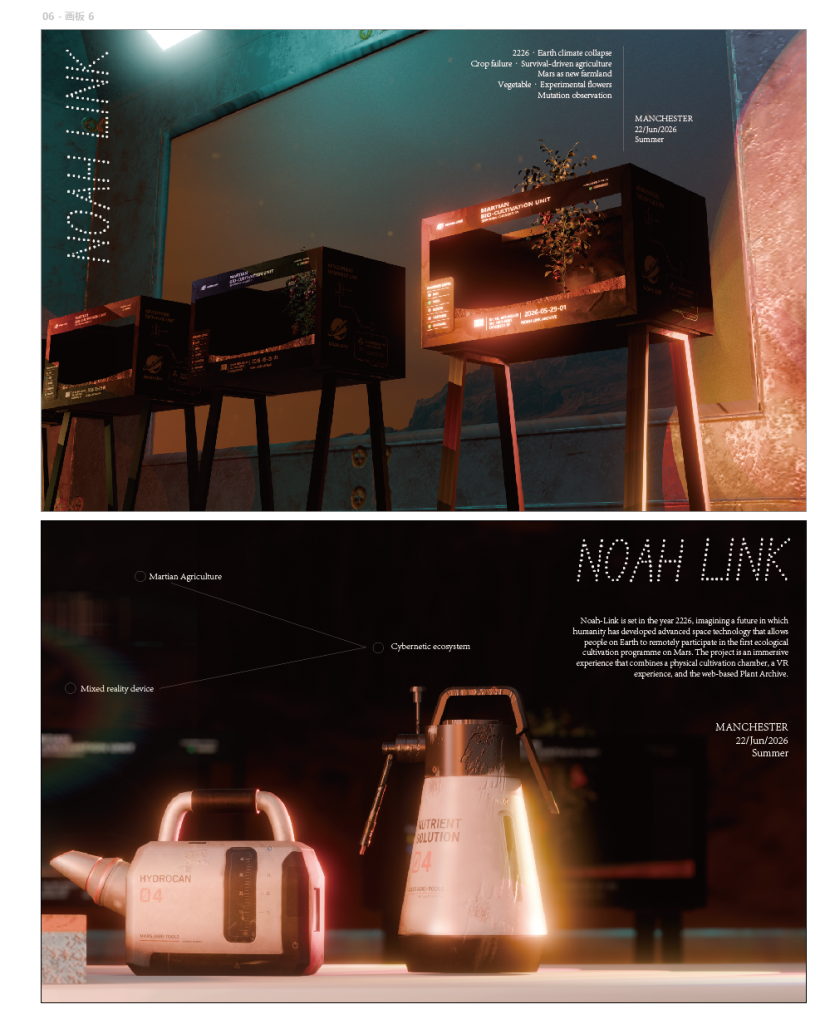
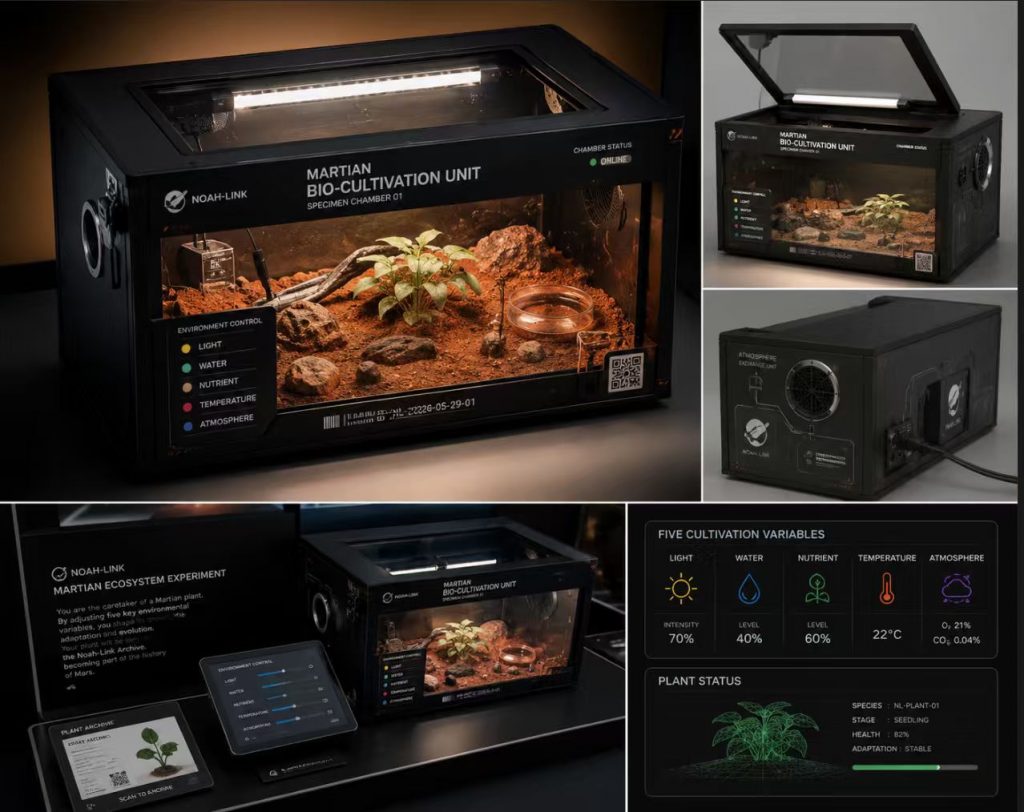
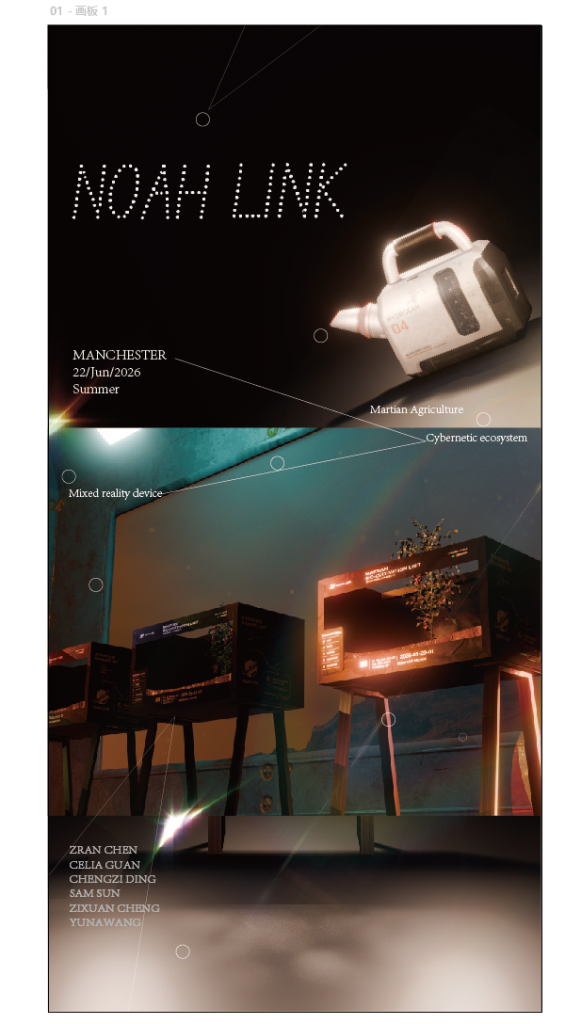
    In addition, after the project entered the results presentation stage, we completed the production of display content such as videos, sound effects, and promotional posters. I was responsible for sampling and organizing background music, and using Blender to complete the scene rendering required for promotional posters, including high-quality renderings of the overall promotional poster and individual objects. These independent rendering materials can be further applied to promotional materials such as project display cards, in addition to being used for poster design. After completing the rendering, Orange, a team member, was responsible for the overall layout design and typesetting.

    At the same time, I also participated in the post-editing of the project presentation video and was responsible for organizing and rewriting some of the copywriting content, including the design concept of the physical device, the artistic design ideas, and the introduction of the L-System plant generation system, to ensure the consistency of the visual expression and content logic of the presentation materials.

    Through continuous optimization and improvement in the final stage, the project not only achieved technical implementation but also further enhanced the overall display quality, laying a solid foundation for the final result report and project presentation.
  • week25

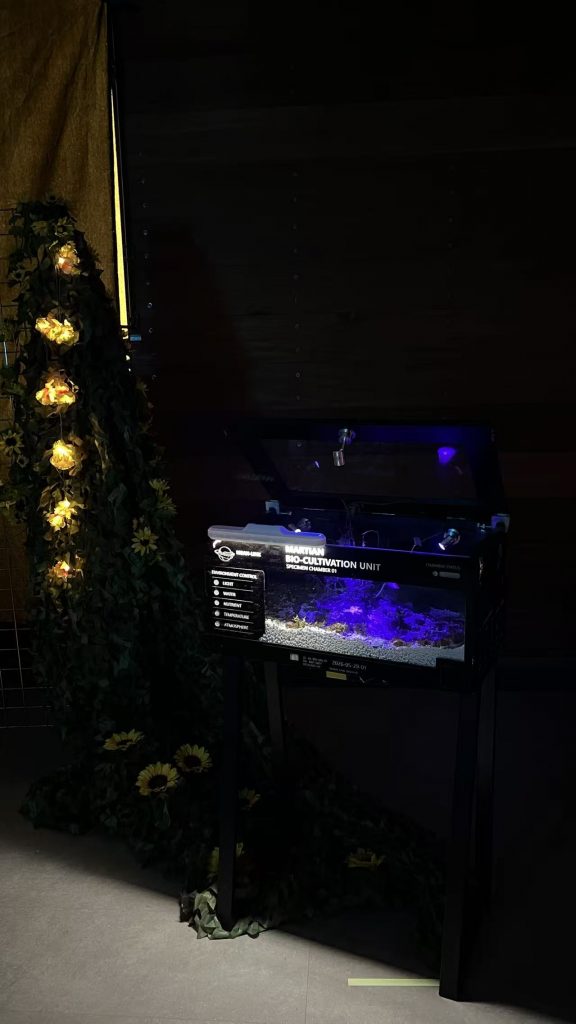
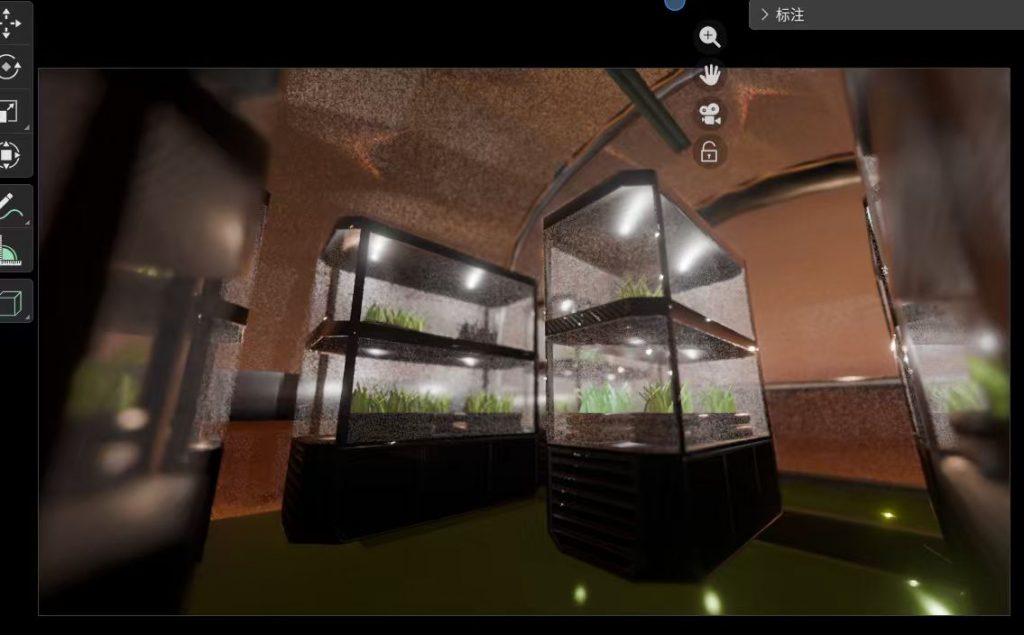
    This week, the assembly of the main structure of the physical device has been basically completed, including the shell, internal plant model, soil substrate, and supporting structure. The overall shape is close to the final design plan. However, after the actual construction was completed, we found that the overall technological feel of the device is still lacking, and there is a certain gap between it and the concept of the Mars plant cultivation module set by the project.

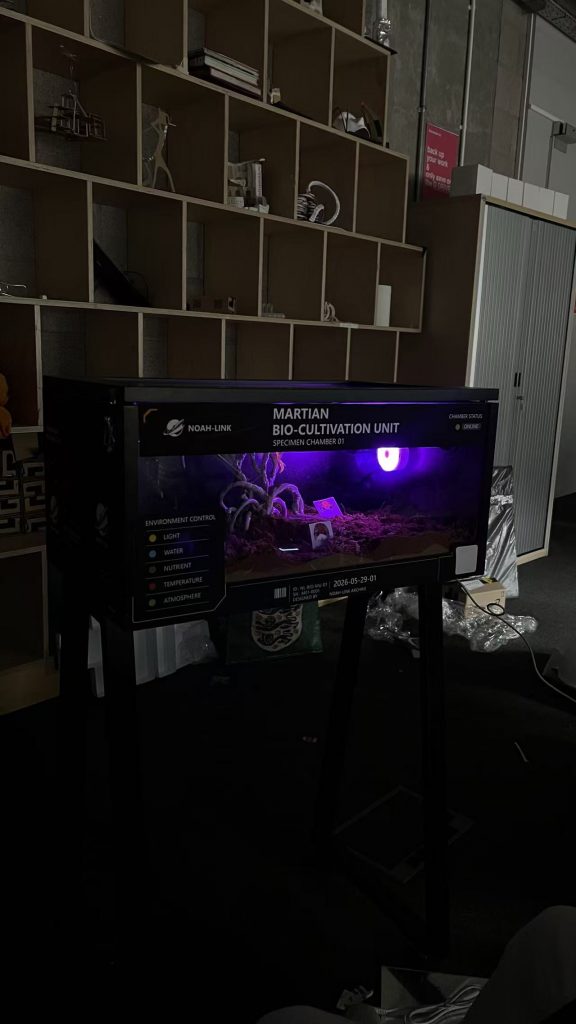
    Addressing this issue, we further optimized the visual presentation of the device, with a focus on testing the lighting effects. To enhance the futuristic technological atmosphere, we experimented with two solutions: linear light tubes and purple point light sources. We compared their effects on the overall spatial atmosphere, material representation, and visual guidance to select a lighting design that better aligns with the project theme. Simultaneously, we produced and printed decorative stickers based on the preliminary design drawings and applied them to the device casing, further emphasizing the functional zoning of the equipment and the visual characteristics of technological devices, making the overall design more complete.

    Meanwhile, the program team continued to improve the system and conduct operational testing. To verify the compatibility of the project on different devices, we conducted tests using multiple computers. However, during the testing process, various issues arose on different devices to varying degrees, such as inconsistent project versions, missing plugins, and differences in operating environments. To address these issues, the team spent a considerable amount of time unifying and configuring the Unity version and related plugins. Due to limitations in equipment and development environments, I was unable to directly handle the relevant technical issues, and the subsequent debugging and optimization work was primarily undertaken by the program team members.

    Through the refinement in this stage, the visual presentation of the physical device has been further enhanced. Additionally, it has aided the team in identifying issues during project deployment and cross-device operation, providing crucial insights for system optimization in the final demonstration phase.

  • week24

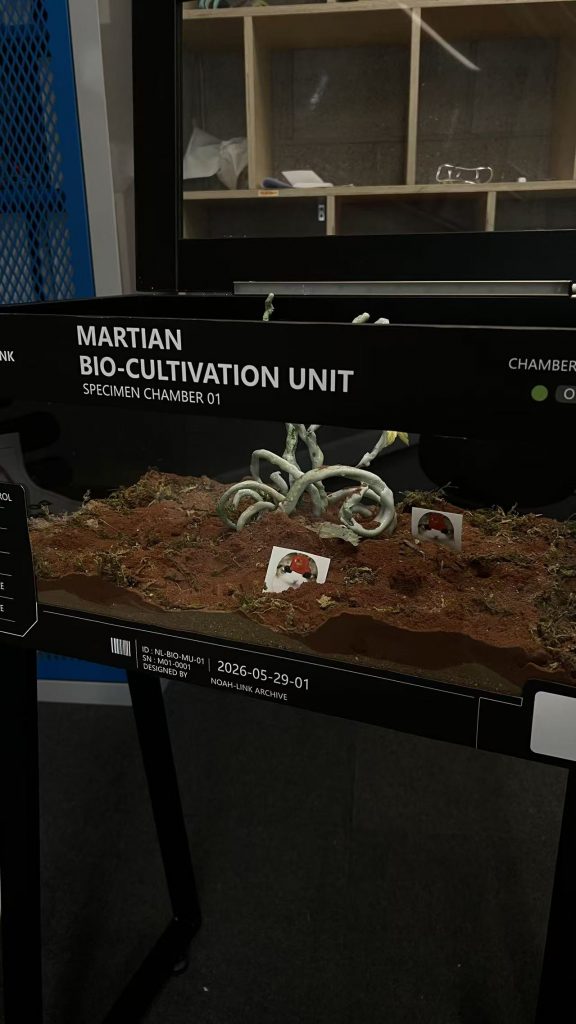
    This week, we completed the preliminary assembly of the physical device and adjusted its overall visual effects. To better align with the setting of the Martian environment, we prioritized the use of reddish sandy soil as the base material for the cultivation area, and appropriately incorporated a small amount of decorative elements such as moss to enrich the scene hierarchy. While retaining the sci-fi atmosphere, we enhanced the realism and ornamental value of the device.

    Meanwhile, the resource production and system testing for the first phase of the art department have been basically completed. The existing plant assets can now complete preliminary integration with the program and verify the feasibility of the overall workflow.

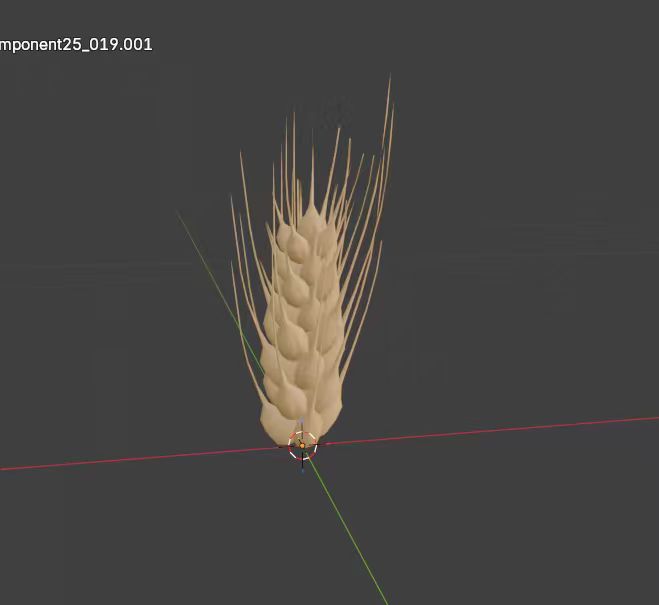
    In terms of subsequent content expansion, we plan to introduce more plant species to enrich the user experience and project content. Initially, we proposed common crops such as wheat and cabbage, but after further communication with the programming team, we found that the growth patterns of these plants do not align well with the generation principles of L-System, making it difficult to achieve a natural generation effect through the existing program logic. Therefore, we have decided to re-screen plant types that are more suitable for L-System programmatic generation, balancing visual representation while enhancing the feasibility and development efficiency of program implementation.

  • week23

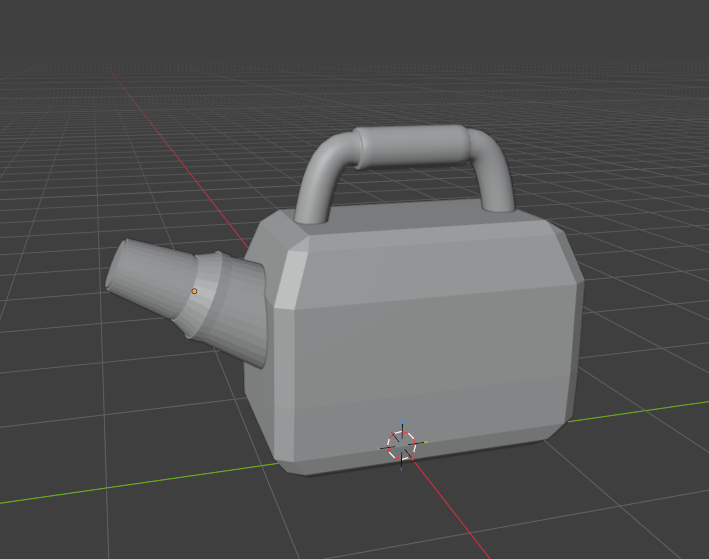
    As I am familiar with the requirements for model topology and resource optimization in real-time projects, I am primarily responsible for creating the scene architecture and most of the prop assets in the project. During the resource creation process, I always prioritize real-time rendering performance, ensuring overall visual effects while minimizing model complexity to meet the operational requirements of VR projects.

    To reduce the number of model faces, I adopted a method of using textures instead of geometric details. The bump structures that were originally dependent on the model were transferred to Normal Maps and material textures for completion. Although this approach simplifies the geometric hierarchy of the model itself, it significantly reduces rendering overhead and better meets the performance optimization requirements of real-time interactive projects. During the project development process, I also further realized that for VR projects that require stable operation, appropriately sacrificing some geometric details is an important strategy to ensure overall performance.

    In the early stages of scene design, we had planned to add more environmental facilities outside the buildings to enrich the spatial hierarchy of the Mars base. However, during the performance testing process, it was discovered that adding new buildings would further increase the scene rendering burden. Therefore, we ultimately decided to cancel this part of the content and focus resources on the core experience area to ensure overall operational efficiency.

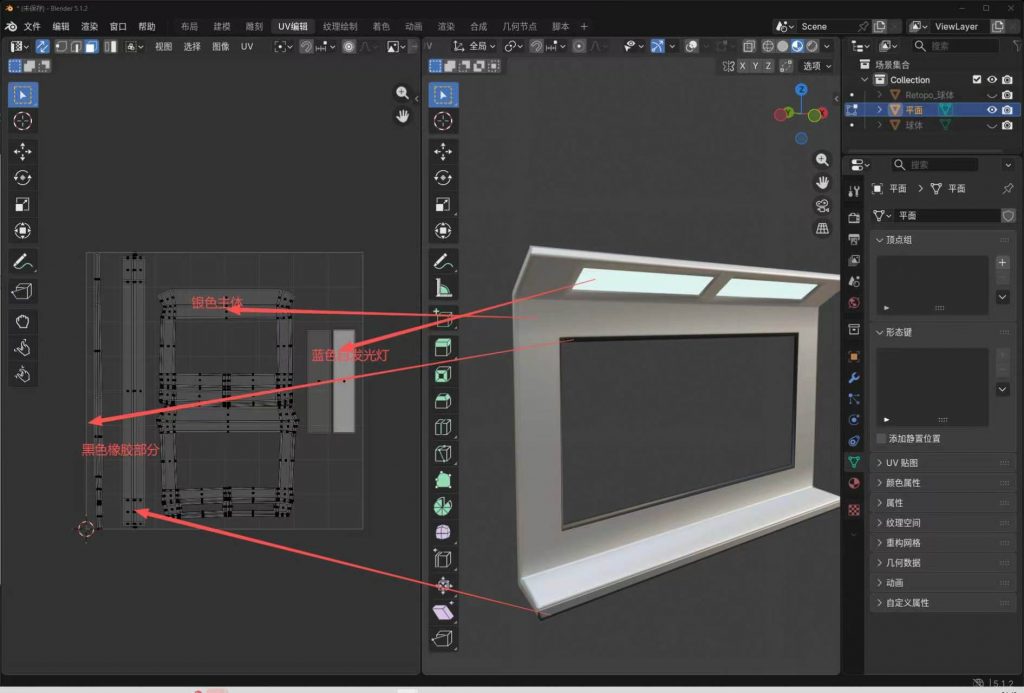
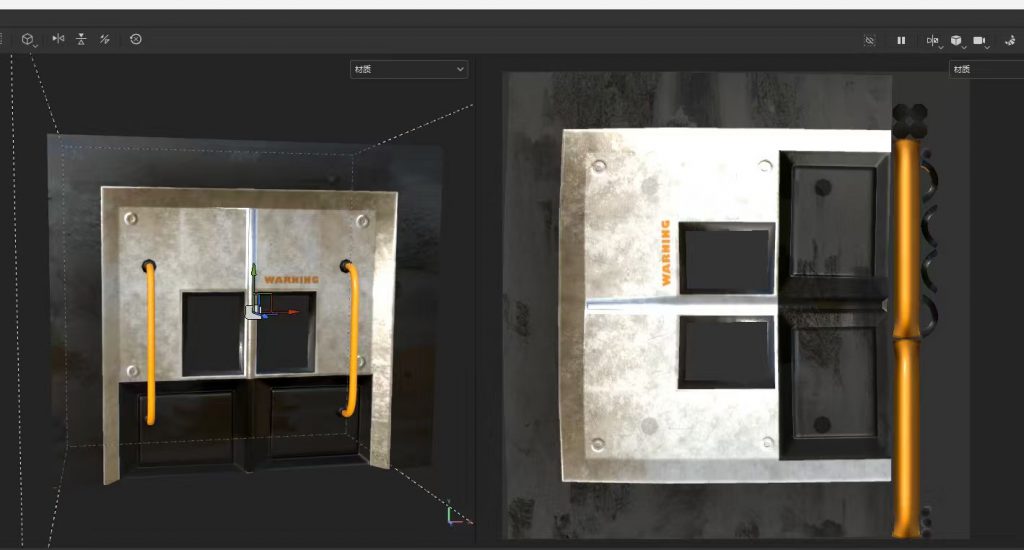
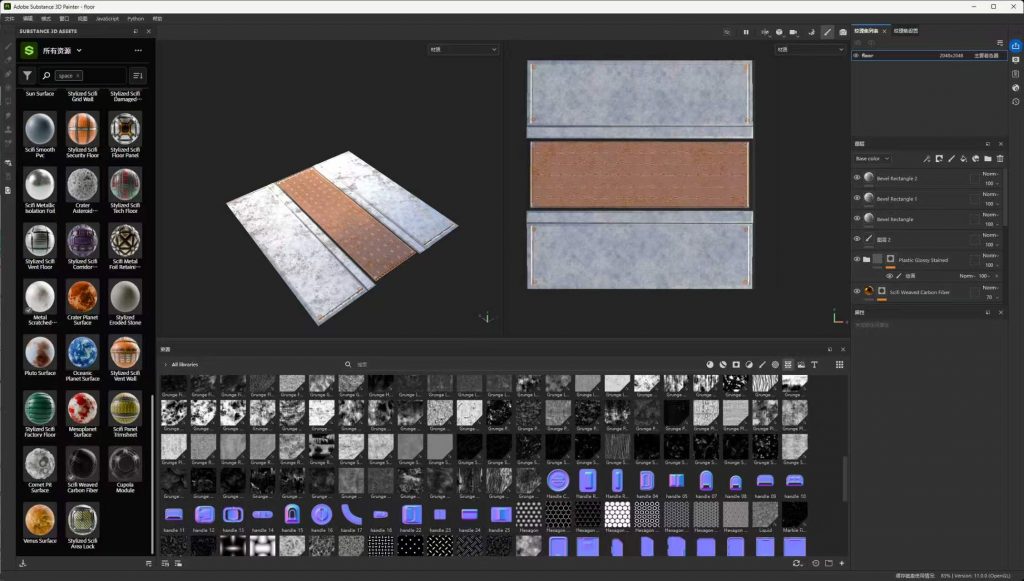
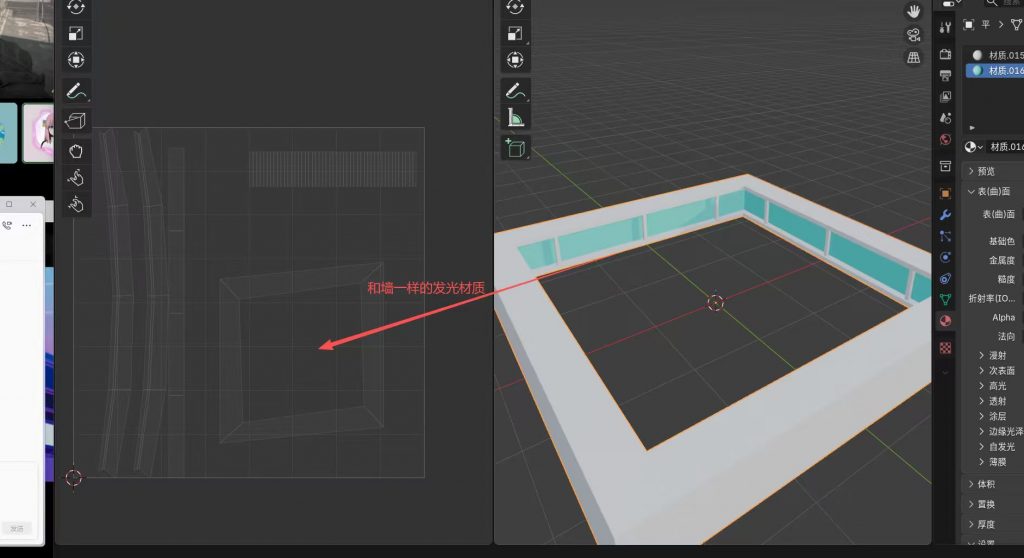
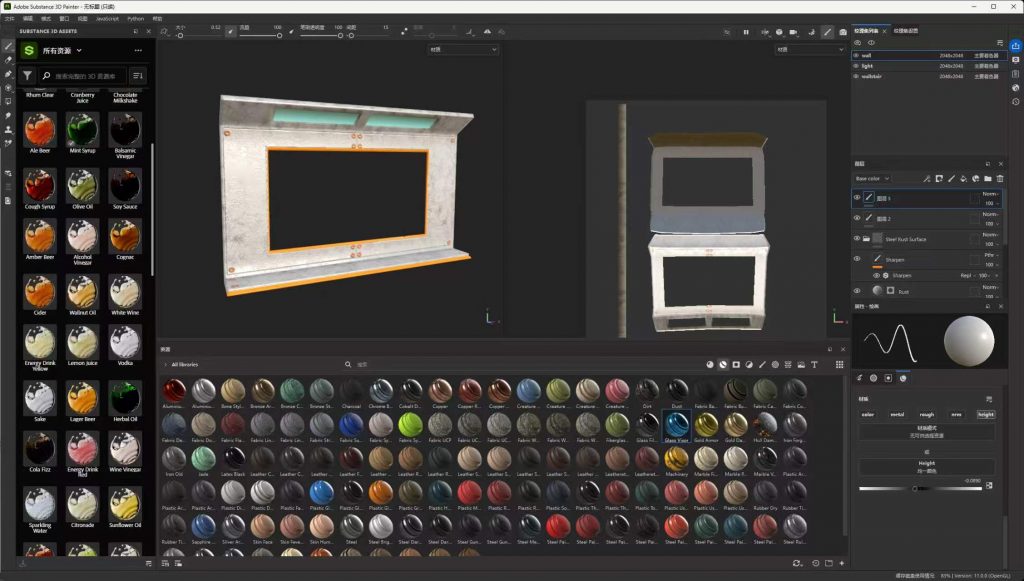
    In terms of material design, to highlight the futuristic feel of the Mars base, I extensively used metal materials as the main body of the architecture, and employed normal mapping to represent details such as bolts, metal joints, and iron plate structures, enhancing the realism and spatial hierarchy of the materials without increasing the number of model faces. This production method strikes a good balance between visual representation and performance optimization, and also makes the overall style of the scene more consistent with the future agricultural experimental environment set by the project.

  • week22

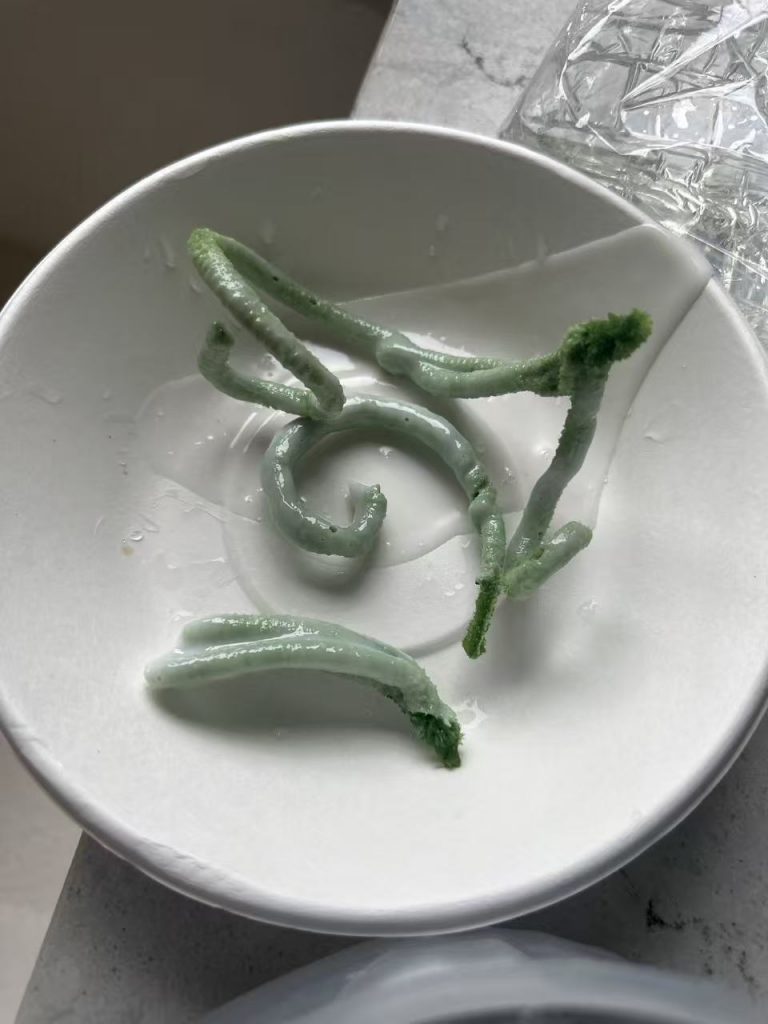
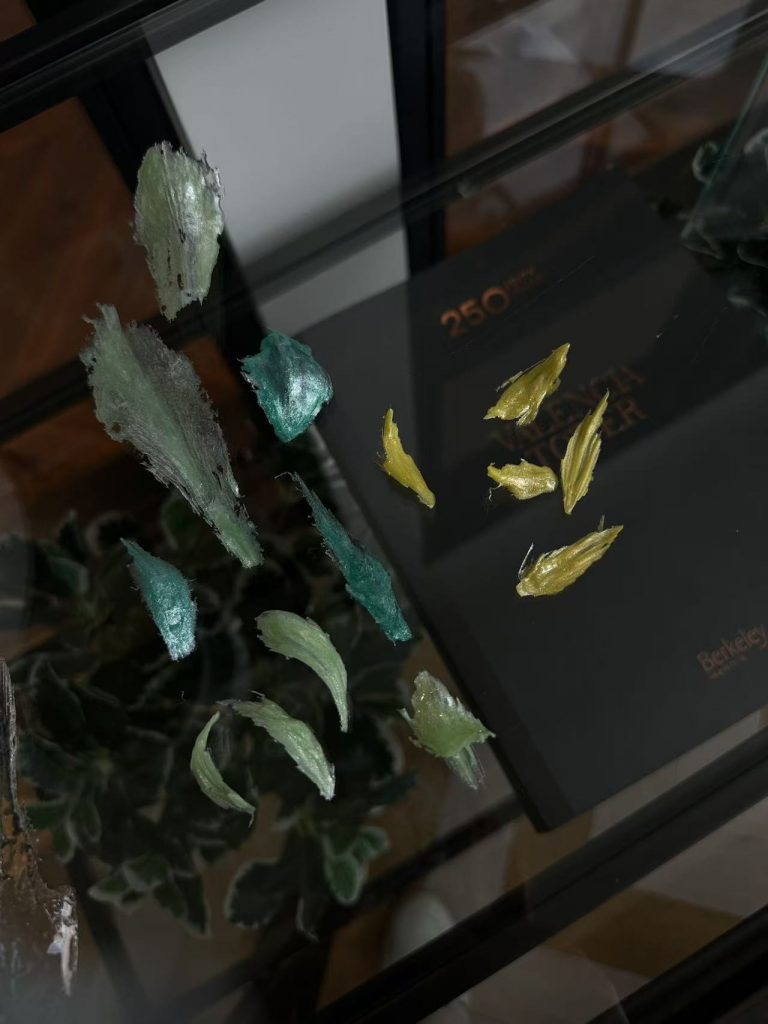
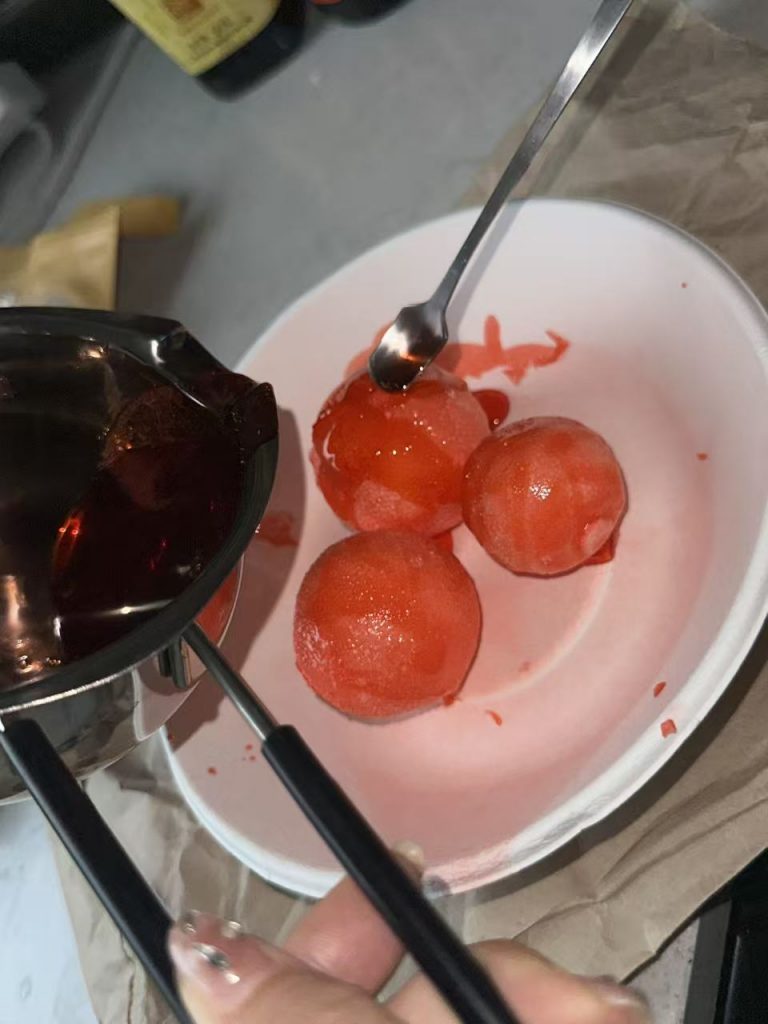
    This week, I assisted in the production of the plant part of the physical device and mainly participated in material testing and optimization of the production process. In the initial plan, we intended to use clay as the main material for the plant model, hoping to utilize its strong malleability to achieve the overall shape. However, during the actual production process, it was found that clay fell short of expectations in terms of texture, detail representation, and structural shaping, and the final effect did not well reflect the design plan.


    Based on the test results, I conducted further research and expansion on the materials used in production, attempting to combine and apply various different materials to enrich the visual hierarchy and material expression of plants. At the same time, I selected corresponding materials according to the structural characteristics of different plant parts, making the overall shape more in line with design requirements and enhancing the handmade texture and expressiveness of the installation.


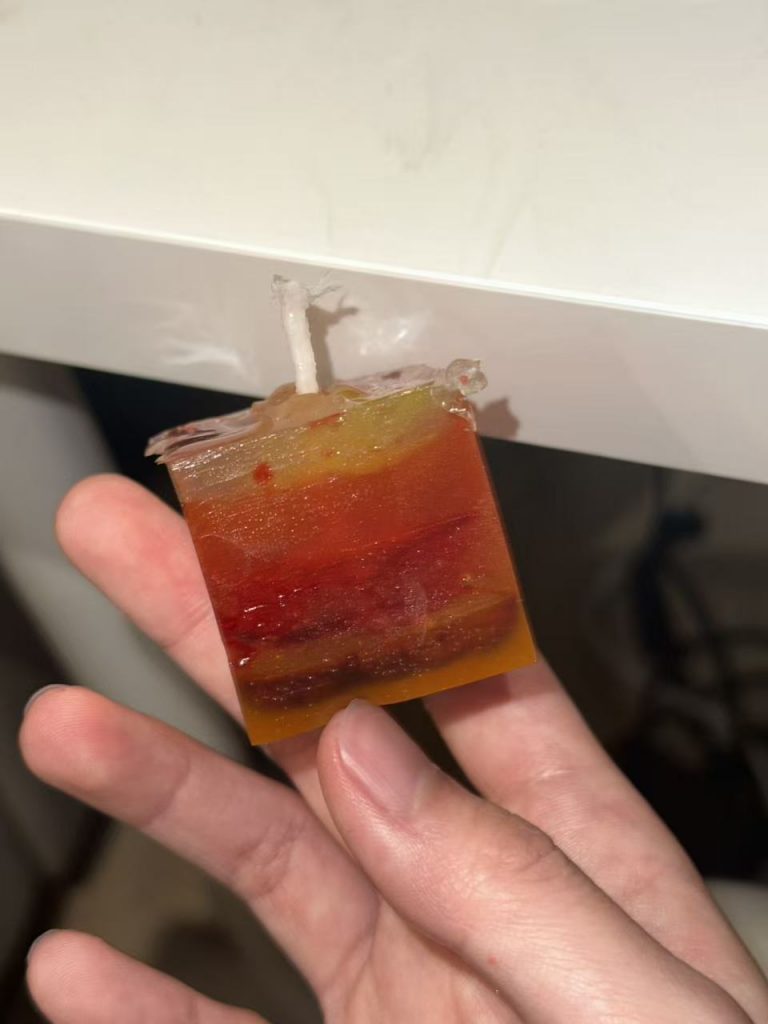
    In addition, to enhance production efficiency and modeling precision, I have introduced some auxiliary molds for shaping plant details. The use of molds reduces the difficulty of creating complex forms, enabling more stable molding of different materials, while ensuring the consistency in shape of each plant model. This provides a more reliable process plan for the overall production of subsequent installations.

  • week21

    After completing the production of art resources, we conducted a preliminary integration with the programming team and performed functional testing. The test results indicated that the current implementation did not meet our expectations. Due to deviations in the calculation of model instance positions during the procedural generation process, some plants exhibited issues with misaligned positions. Additionally, the original animation scheme had poor compatibility with the program logic, resulting in an overall unnatural growth effect.

    In response to the aforementioned issues, we have restructured the implementation of art resources, eliminating keyframe animations in the model and entrusting the control of plant growth changes to the L-System program. We have implemented the position and generation logic of models at different stages through code, enabling closer integration between art resources and the program system.

    With the program’s ability to generate plant instances in bulk, we further identified performance issues. As the number of plants in the scene increased, the total number of faces in the model rapidly increased, leading to noticeable stuttering in the head-mounted display device. Therefore, we optimized the model again, readjusting its structure after clarifying the program’s requirements to further reduce the number of polygons.

    In the blade section, a production method more suitable for real-time rendering was adopted. The original three-dimensional blade model was replaced with a plane with an alpha channel, and the plant outline was represented through transparent mapping. This significantly reduced the model complexity while ensuring visual effects. This optimization effectively reduced the rendering overhead, providing better performance guarantees for the subsequent procedural generation of a large number of plant instances, and also making the overall assets more compatible with the requirements of the VR real-time operating environment.

  • week20

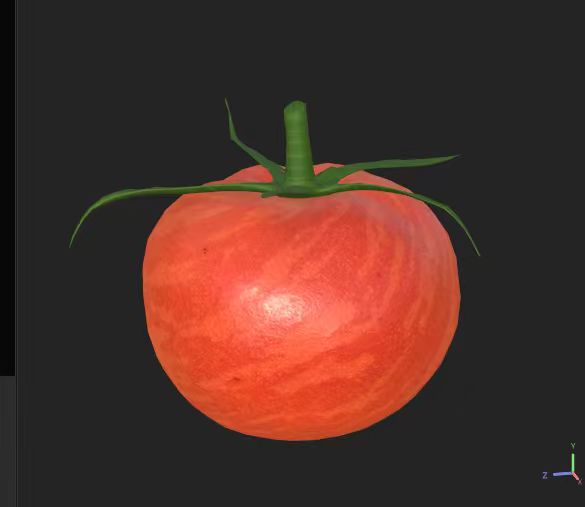
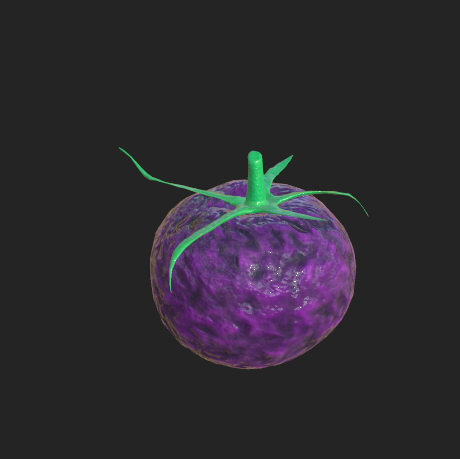
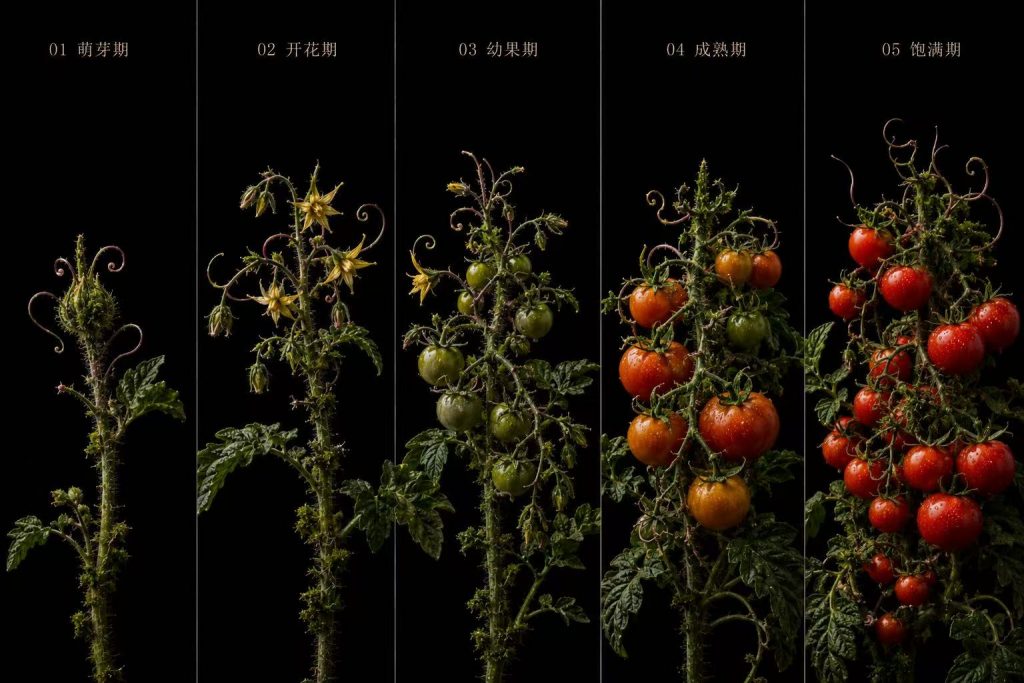
    During the production phase of art assets, I prioritized the completion of 3D model resources for tomato plants at different growth stages. Based on the issues exposed during the early model testing, this production underwent systematic adjustments in terms of polygon count control and structural optimization, and modeling specifications were redefined based on the usability of real-time engines. During the production process, I continuously paid attention to the topological structure and polygon count of the model, ensuring it could better accommodate the subsequent procedural generation and batch instancing requirements.


    On this basis, the tomato model is developed as a standard asset, providing a reference benchmark for the creation of other plant types in the future and enabling direct entry into the engine testing phase for verification.


    In terms of animation implementation, since the number of plants will be generated programmatically, adopting a complex skeletal or growth animation system would significantly increase the system’s burden. Therefore, instead of continuing with the more complex research animation scheme from the previous stage, a lighter implementation approach was adopted in this phase. This approach involves controlling the scaling and morphological changes of the model through keyframes to simulate the transition effects of plants during different growth stages. While ensuring visual expression, this method effectively reduces computational costs and improves overall operational efficiency.

    Adding some simple self-rotation won’t make it too monotonous

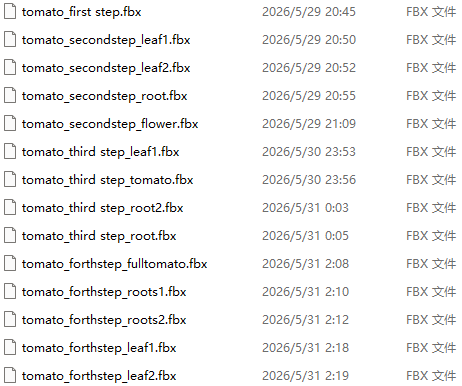
    During the asset production process for tomato plants, I established models for different growth stages and simultaneously organized standardized naming conventions for files and resources at that stage. By setting unified naming conventions for model versions, stage divisions, and purposes, it made subsequent calls and tests in the engine clearer and more efficient.

    Standardized naming not only enhances the readability of resource management but also mitigates potential confusion during program invocation and version switching. This step establishes a unified standard for the subsequent production of batch plant assets, thereby facilitating better organization and collaboration efficiency in the overall development process.

  • week19

    After completing the basic technical learning and tutorials, we entered a more in-depth development discussion phase and received suggestions to introduce user testing to verify the current design direction. At this point, the team members had basically completed the implementation of the LSYSTEM-related programs in the plant growth system and simultaneously produced some rendering effect images, but the overall project was still in the prototype stage, with deficiencies in system completeness and user experience, especially in the aspect of “interaction and connection between humans and the system”.

    During the discussion, Sam proposed the introduction of a “time dimension” design, which allows users to upload plants to the network and revisit them after a period of time to view their growth outcomes. This idea aims to enhance users’ sense of participation and delayed feedback experience, making plants no longer just interactive objects with instant feedback, but digital lifeforms with a continuous evolutionary process.

    Based on this approach, we further explored multiple key issues, including the mechanism of plant growth differentiation, the feasibility of network interfaces, and how to introduce more visual feedback content into the system to enhance users’ perception of their own participation results. At the same time, we also began to consider whether it is possible to add more data or status presentation methods beyond the plant itself to enrich the overall interactive experience.

    At this stage, I simultaneously received production requirements related to art assets and began to develop and supplement relevant resources to support the subsequent expansion and iteration of system functions.

    The members created a questionnaire survey, and we have also received corresponding feedback

  • week18

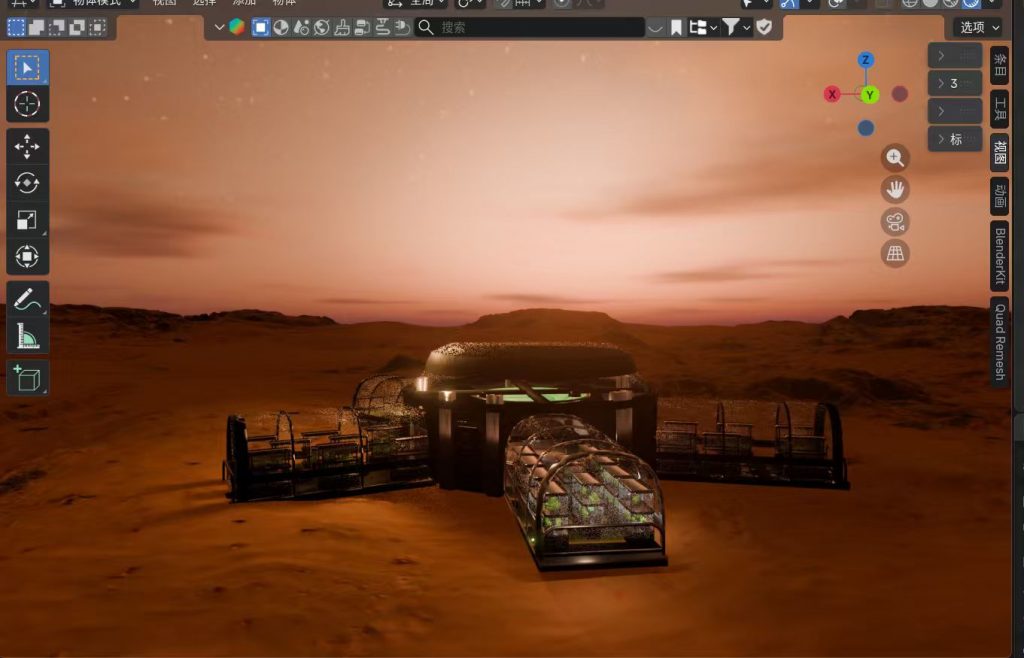
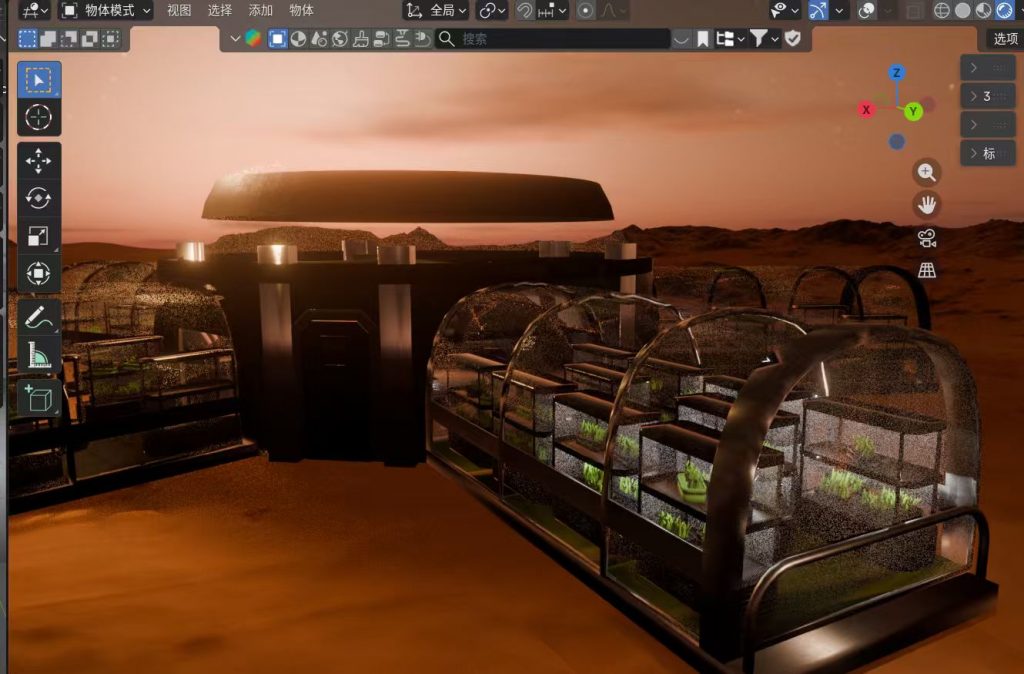
    Before officially entering the Unity building phase, I collaborated with team member Sam to create preliminary concept renderings, which were used to confirm the overall visual atmosphere and spatial tone of the project. The primary objective of this phase was not to complete a complete scene construction, but to verify the feasibility of the overall design direction through low-complexity spatial expression.


    In the rendering design, considering the operational performance and subsequent engine testing requirements, we deliberately controlled the complexity of the scene, retaining only the basic terrain structure and not incorporating additional buildings or high-precision environmental assets, in order to avoid unnecessary computational burden during the early testing phase. At the same time, due to differences in some resource formats and material systems between Blender and Unity, the current rendered content is mainly used as preliminary drafts and visual references, rather than directly transferable final assets.


    In terms of visual style, we adopted a red-toned terrain and sky effect that aligns with the characteristics of the Martian environment, aiming to establish the overall spatial environment setting and emotional tone. The concept rendering at this stage is primarily used to unify the team’s perception of the scene atmosphere and provide directional reference and visual basis for the subsequent formal scene construction in Unity.

  • week17

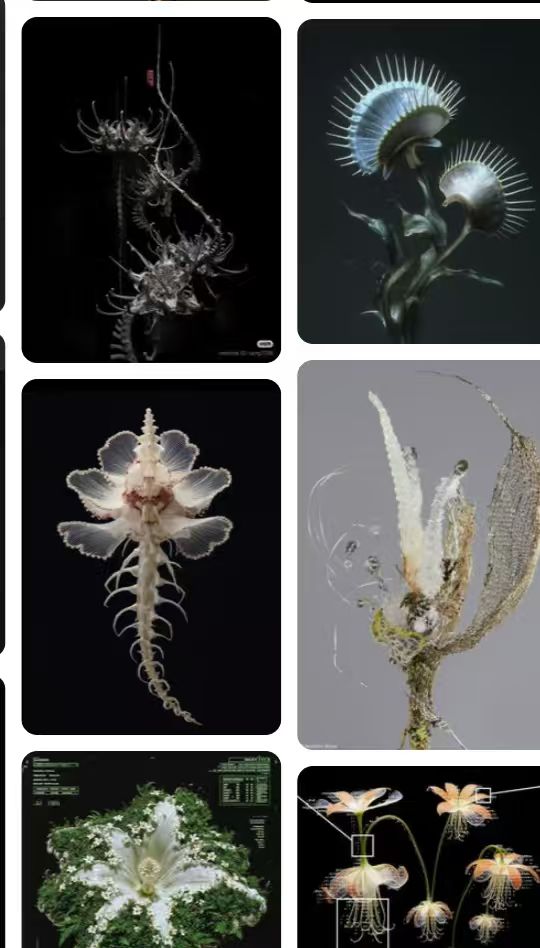
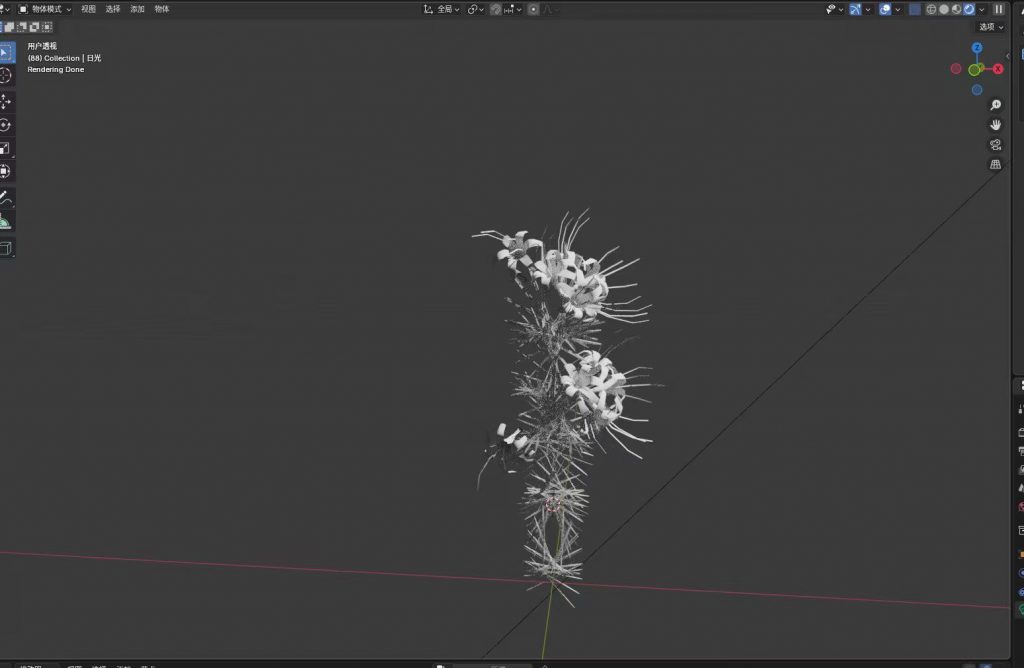
    During our research, we encountered the concept related to “Fractals / Procedural Fracturing”, which involves the regular or procedural combination of relatively simple basic geometric units to generate a complex overall model. This method is commonly used in conceptual art and procedural generation design, often resulting in visually striking and fantastical modeling effects.


    In the context of plant modeling, this method can construct highly detailed and decorative individual plant forms through a modular structure, exhibiting strong artistic quality and expressiveness in visual representation. However, from the perspective of practical application in projects, this approach has certain limitations. On the one hand, the generation process of the modular structure significantly increases model complexity and the number of faces, placing a considerable burden on real-time rendering performance.
    On the other hand, if a growth animation system is superimposed on top of this, the computational and implementation costs will further increase, which may not be suitable for the current project’s technical framework.
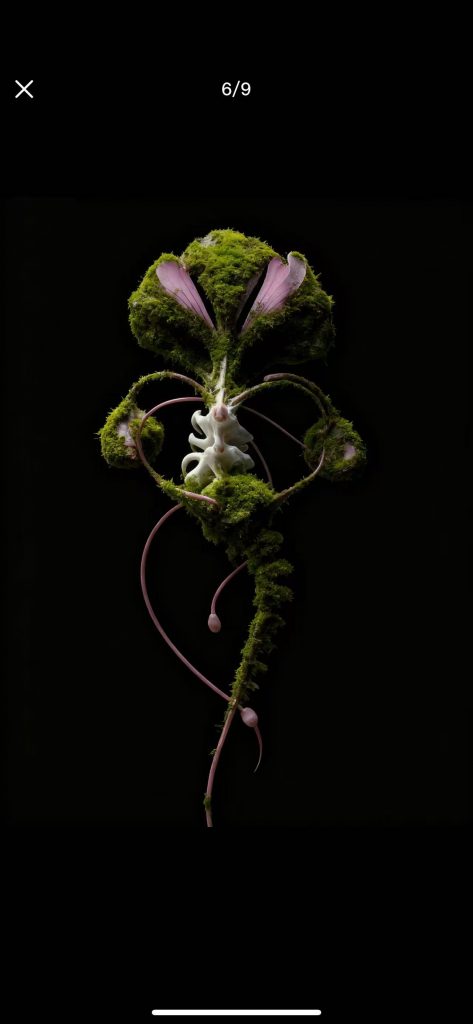
    Based on the aforementioned analysis, we believe that there are certain risks associated with the large-scale application of this method in gaming or real-time interactive systems. However, it still holds high application value in physical installations or static displays. Especially in the display of individual plants on the installation side, the visual complexity and artistic expression brought by the typed structure may effectively enhance the overall spatial visual richness and futuristic atmosphere.


    Therefore, this scheme is more suitable as a visual enhancement method for installations or local displays, rather than as the core plant generation and animation scheme in an overall system.

    test from orange