Blog

  • week16

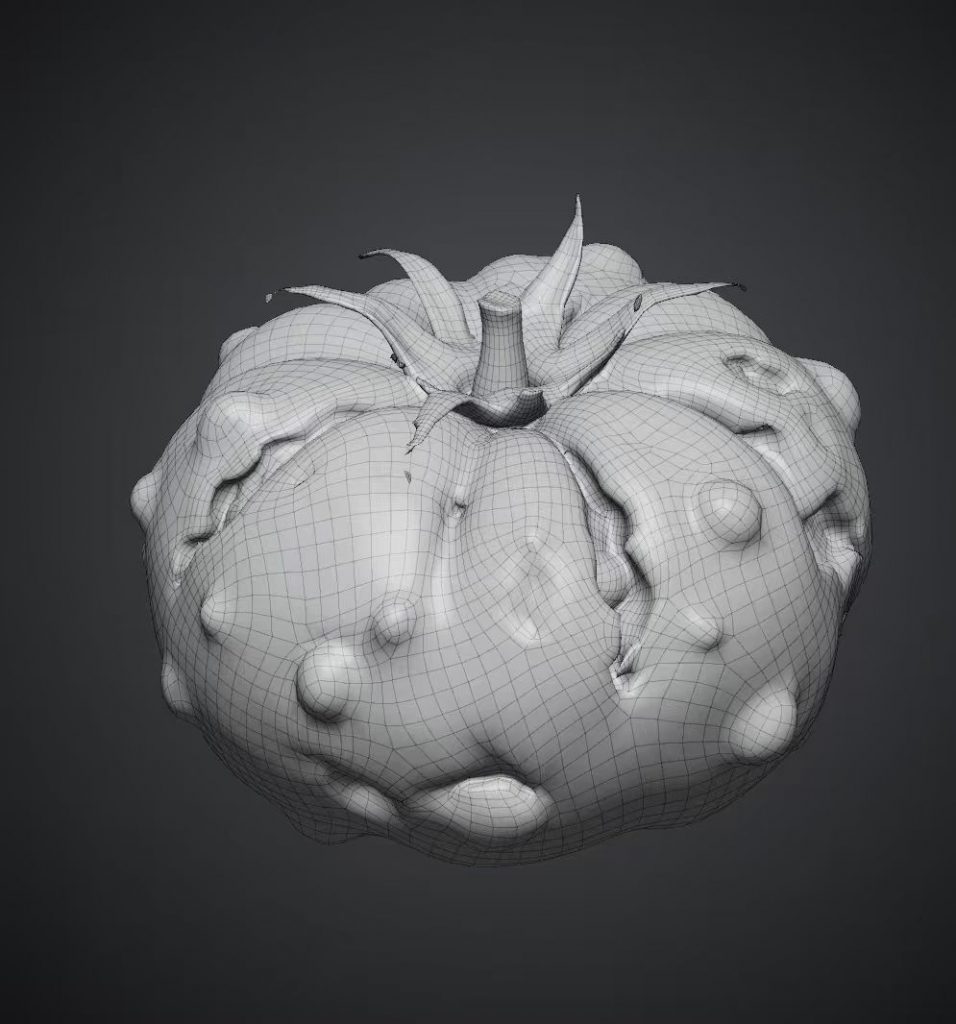
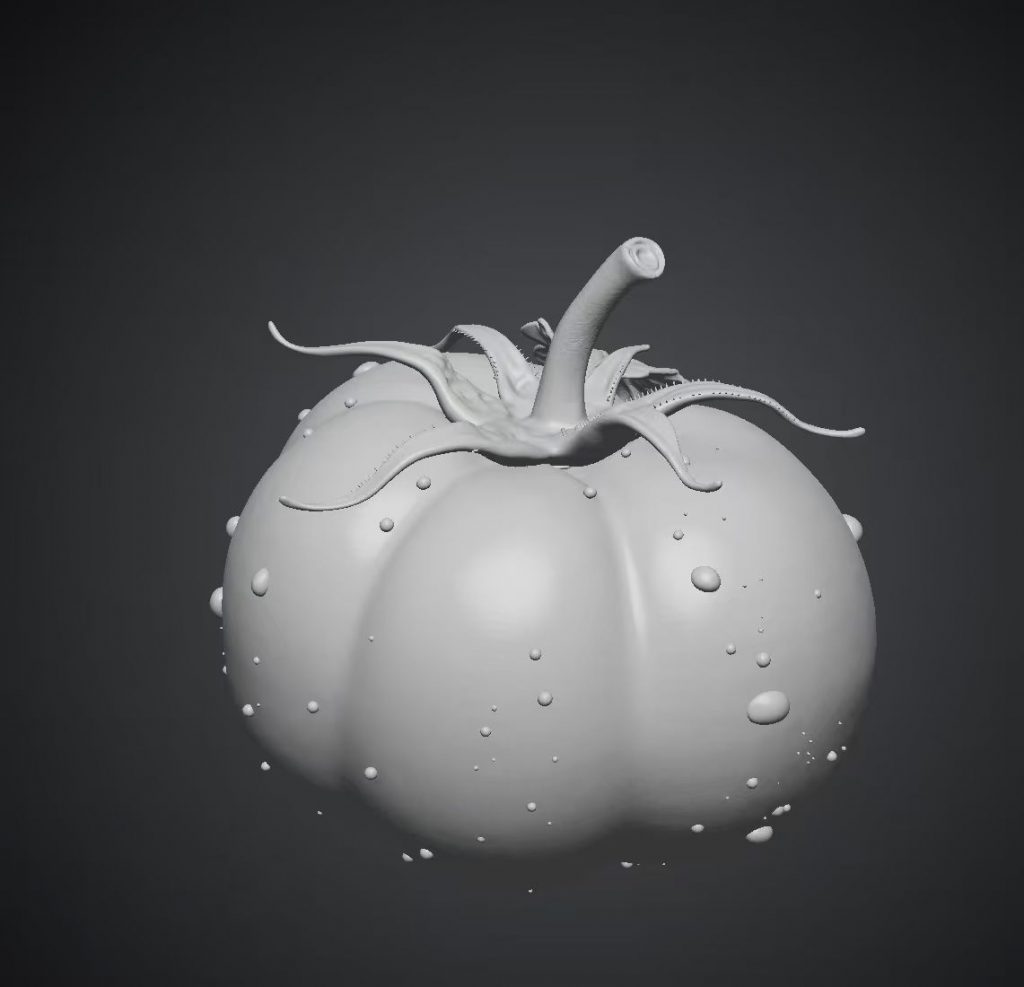
    This week, in planning the production scheme for the physical device, we gave priority to using 3D printing technology to complete the production of plant models and related components.
    In the specific practical process, we first created some single plant models to test the visual effects and structural representation after the model was materialized. Taking into account the overall size, spatial layout, and user viewing experience of the final installation, we also experimented with creating plant models of different scales to compare the differences in display effects, detail retention, and spatial adaptability among various sizes.
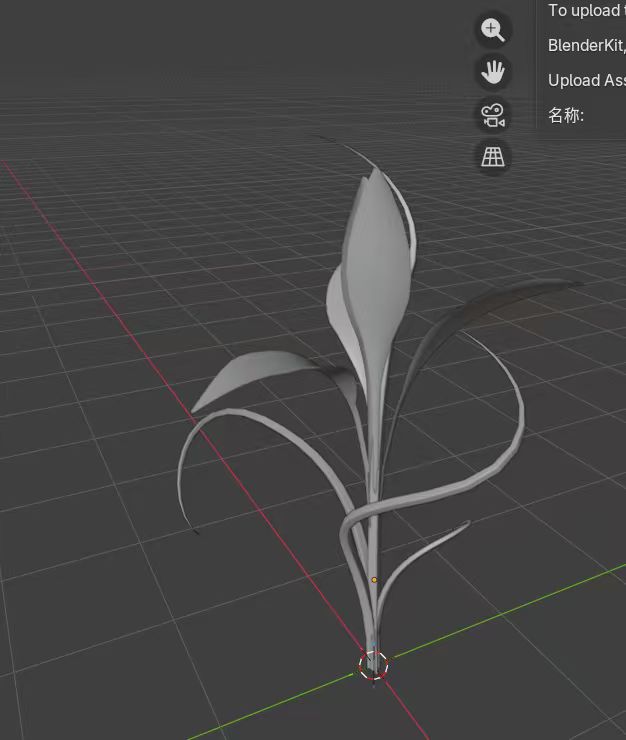
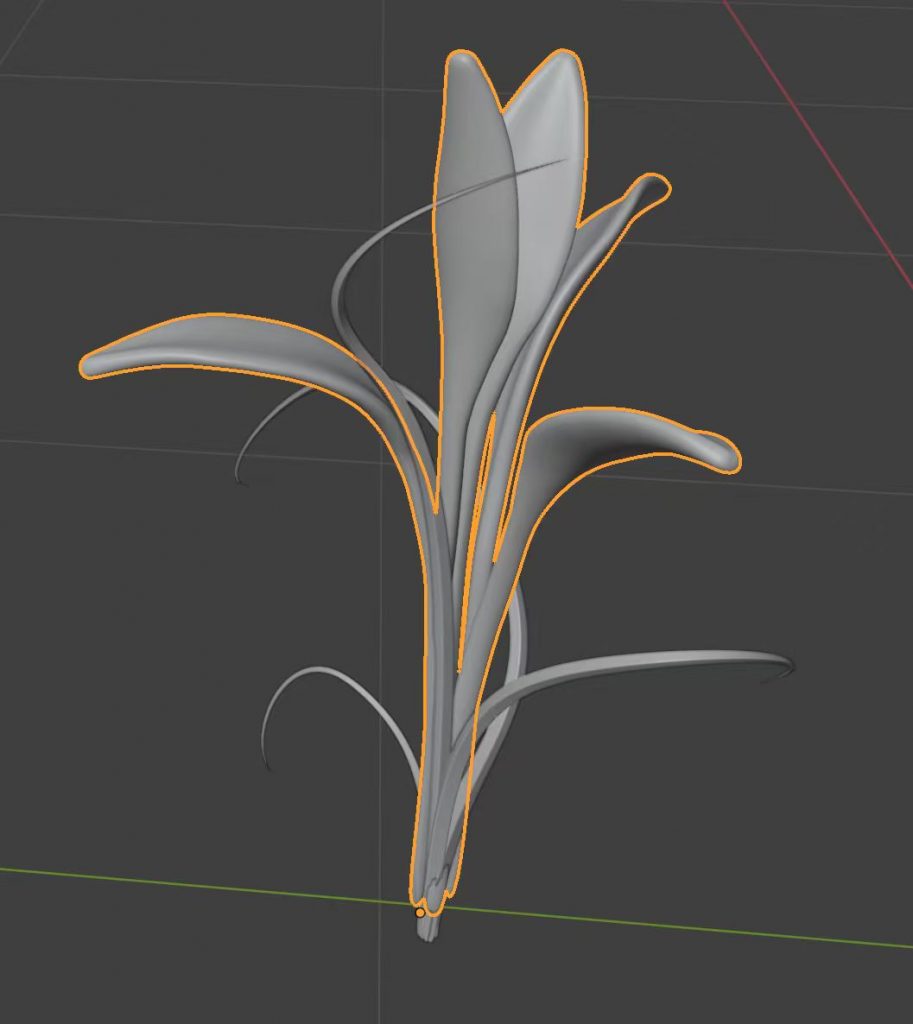
    3D printing cannot use patches, make modifications on the original basis, or increase thickness

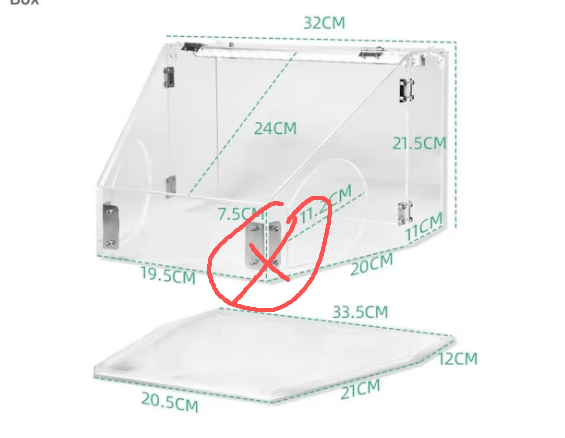
    We began the procurement of materials and accessories required for the physical device, and further refined the production plan for the device. In the early design stage, we had planned to use acrylic sheets for laser cutting to complete the production of the main structure of the device. This plan had the advantages of high processing accuracy and a relatively mature production process, and was initially considered as the main implementation method.


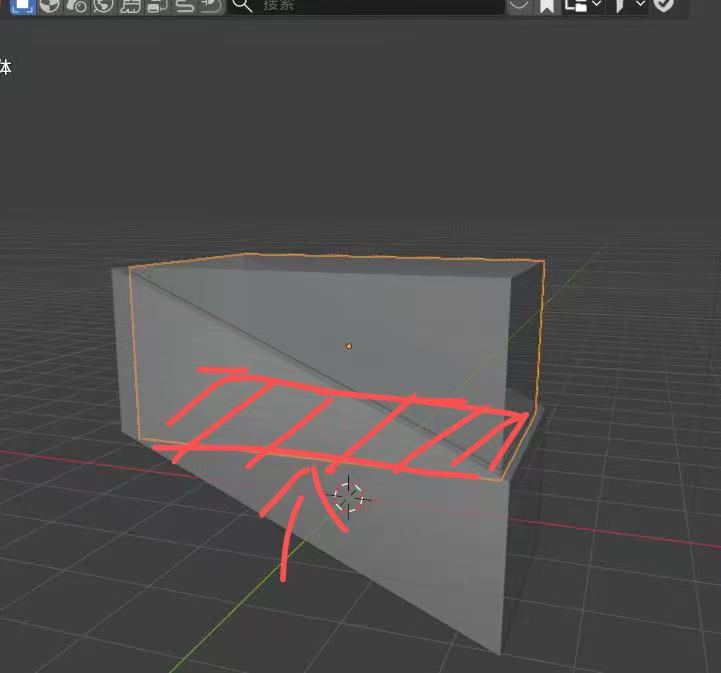
    However, during the subsequent structural analysis, we found that multiple components of the device were designed with irregular shapes, and some curved surfaces and irregular structures were difficult to directly achieve through planar cutting processes. If we continued to adopt the acrylic cutting solution, it might require more complex splicing and post-processing, which would not only increase the difficulty of production but also potentially affect the overall structural stability and visual effects.
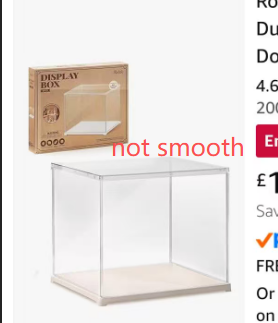
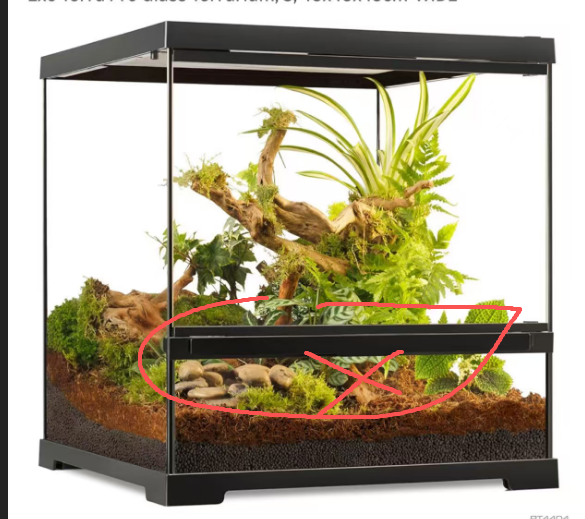
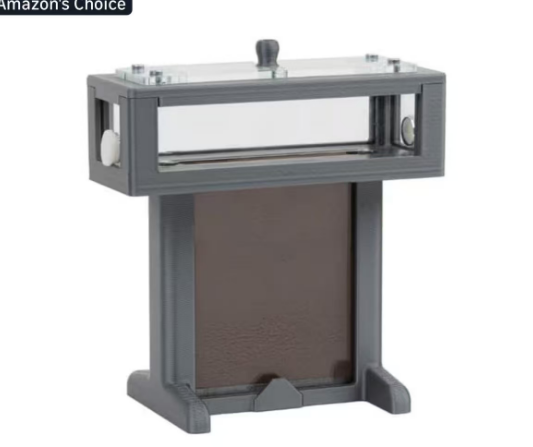
    During the production phase of physical devices, we further explored the option of using off-the-shelf standardized components for secondary processing, aiming to enhance production efficiency and structural controllability. To meet the needs of different modules of the device, we conducted research and comparison on various specifications and sizes of basic components in the market, in order to assess their adaptability in practical devices.


    During the screening process, we primarily focused on the dimensional flexibility of the components, material properties, and the feasibility of subsequent modifications, to ensure that they can meet structural requirements while preserving sufficient space for subsequent design adjustments. Through comparative analysis of different sizes and shapes, we initially identified the range of basic components suitable for each functional module of the device.


    At the same time, we have also assessed the potential for certain modifications to these standardized components, including cutting, splicing, surface treatment, and structural reorganization, in order to explore their expanded applications within the device system. This process helps to enhance the overall flexibility and feasibility of the device while controlling production costs and cycles.
  • week14

    During the technical exploration phase of plant growth simulation, we conducted comparisons and trials with various 3D creation and procedural generation tools. Besides Blender, another member of our team started exploring Houdini and conducted preliminary research on its capabilities in procedural modeling and physical simulation. Based on our preliminary research, we learned that Houdini exhibits strong expressiveness in natural generation systems, such as plant growth, fragmentation, fluid, and particle simulation. Therefore, we chose it as one of our potential technical routes for learning and testing.

    At the current stage, as the overall project is still in the early stages of technology selection and resource planning, we have not yet determined the final production toolchain and specific implementation plan. Therefore, related explorations mainly focus on broader technical understanding and functional verification, with an emphasis on understanding the capability boundaries and applicable scenarios of different tools.


    Meanwhile, we are also communicating with members in the technical direction, hoping to clarify the specific types of resources and technical specifications required for subsequent stages such as plant growth simulation, asset production, and engine integration, so as to facilitate targeted content production and optimization in the future. Currently, the overall strategy remains primarily focused on parallel experimentation with multiple tools. By comparing the implementation effects of different schemes, we aim to provide a basis for determining a stable technical process in the future.

  • week13

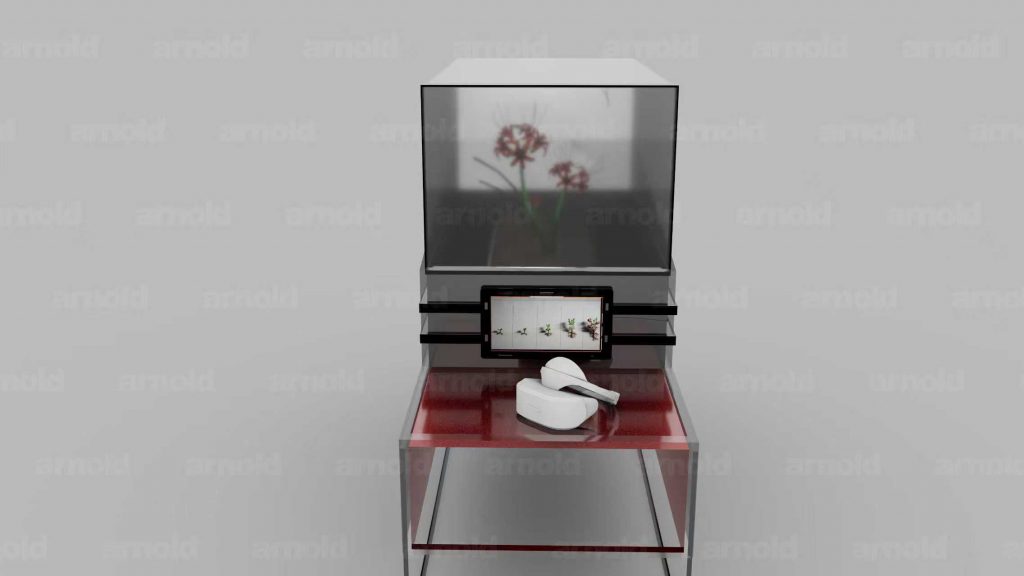
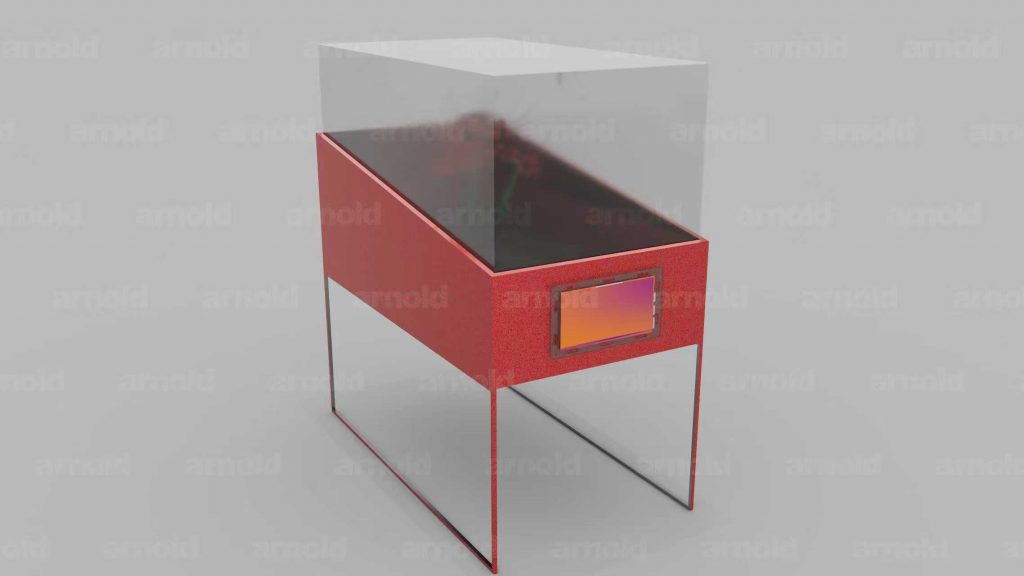
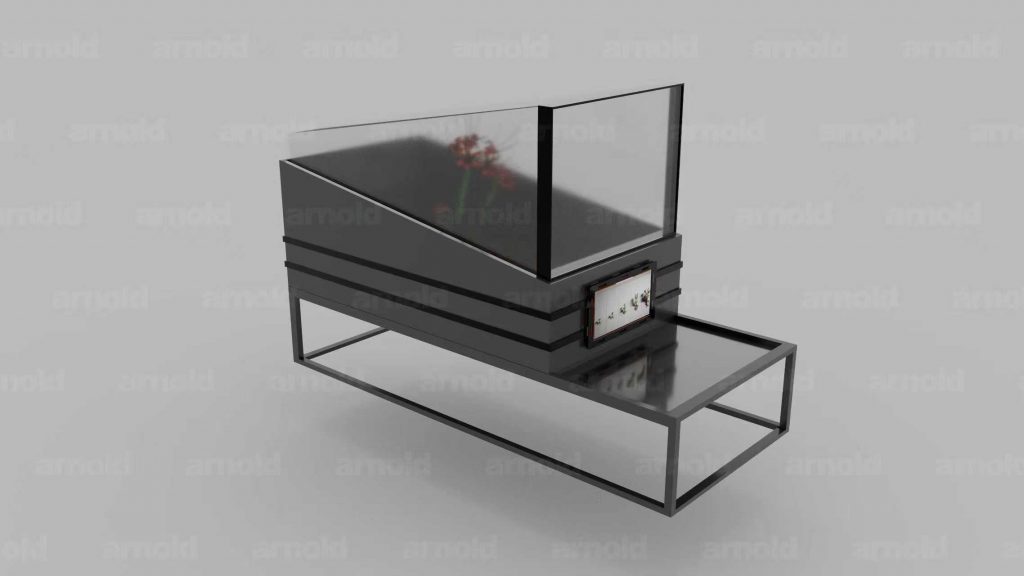
    This week, we have completed the preliminary conceptual design of the project’s physical installation and produced effect diagrams of the installation model, in order to further evaluate its appearance, structural layout, and its alignment with the overall project theme. Considering that the project’s physical installation needs to be customized and processed through a factory, its production cycle is relatively long, and the production process may involve multiple steps such as size adjustment, structural optimization, and sample testing. Therefore, we have decided to carry out relevant preparatory work for the installation production in advance.

    Meanwhile, the art department has begun collecting and organizing visual resources, focusing on gathering usable model assets and reference materials related to future agriculture, Martian environments, technological devices, and other related content, in preparation for subsequent scene construction, model making, and visual style unification.

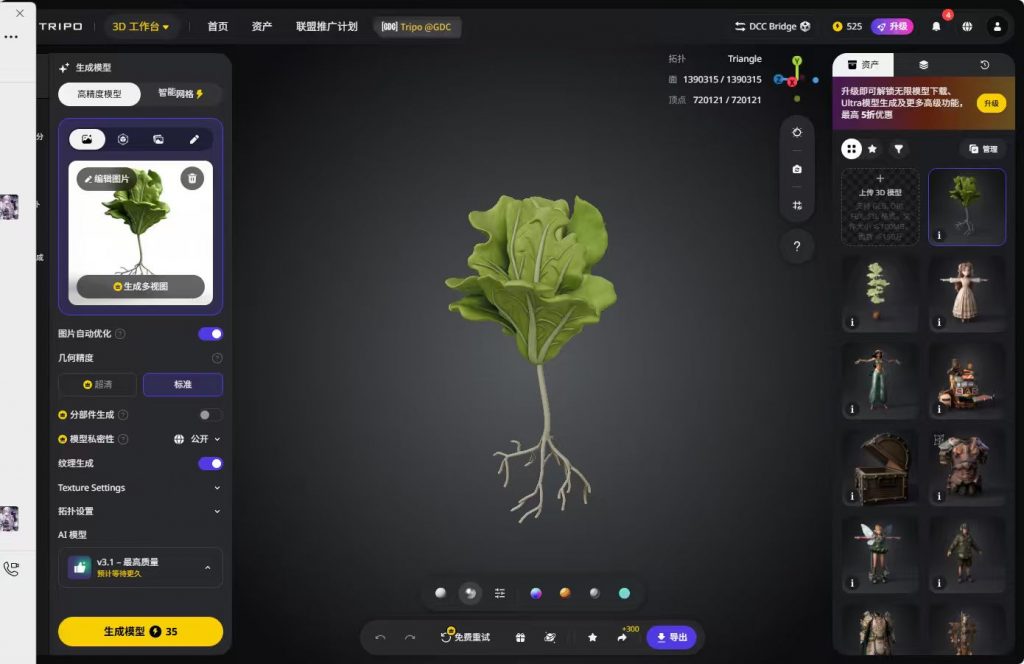
    In terms of the resource production process, I have attempted to incorporate artificial intelligence (AI) generation tools into the workflow, hoping to improve production efficiency and shorten the development cycle through AI-assisted modeling. However, during the actual testing process, it was found that the currently generated models still have certain limitations in terms of detail representation, structural rationality, and project adaptability. Especially in terms of model topology, wiring specifications, and texture quality, the generated results are difficult to meet the requirements of subsequent animation production, real-time rendering, and engine development. Therefore, more time is required for secondary modification and optimization.


    After a comprehensive evaluation, we have decided to temporarily adopt traditional modeling processes and existing asset resources as the primary production methods, with AI tools serving as auxiliary references rather than core production means, in order to ensure the quality of project resources and the stability of subsequent development work

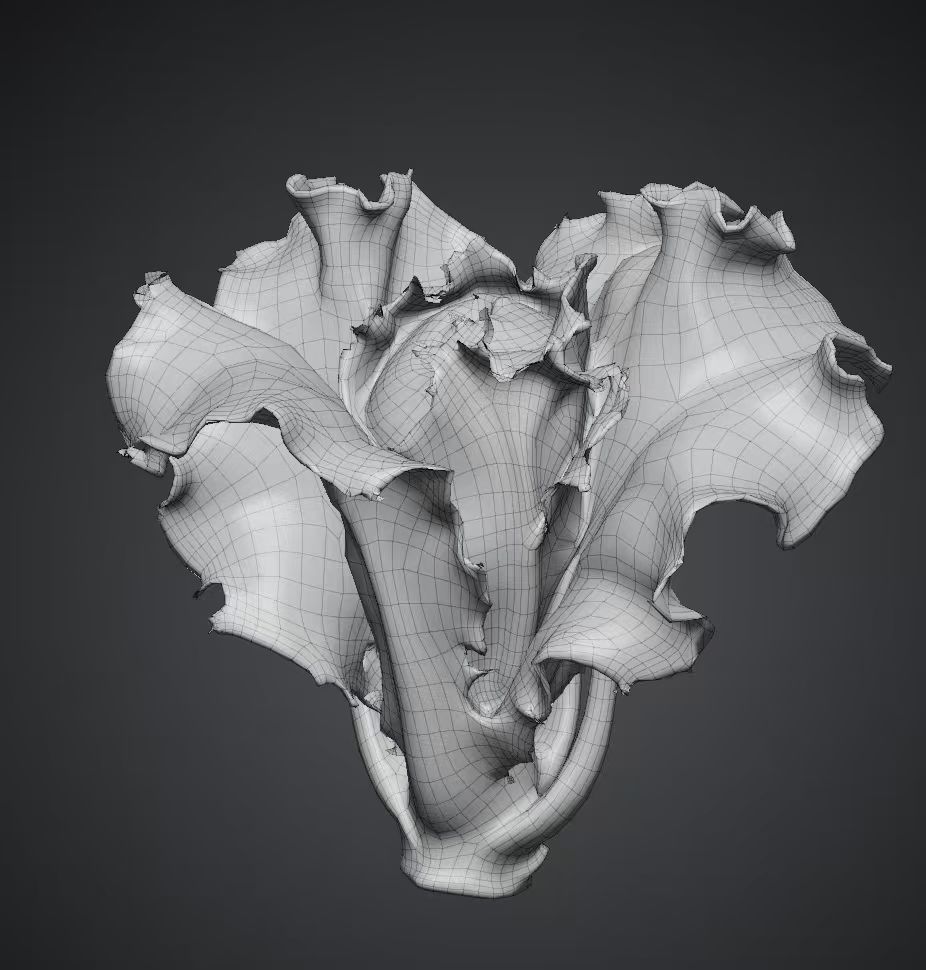
    Although the current model has achieved a certain level of usability in terms of overall appearance, from the perspective of practical project applications, it still cannot be directly used as the final asset. In the engine operation and real-time rendering environment, the structural standardization and performance optimization of the model are equally important, and the existing model still has significant deficiencies in these two aspects.

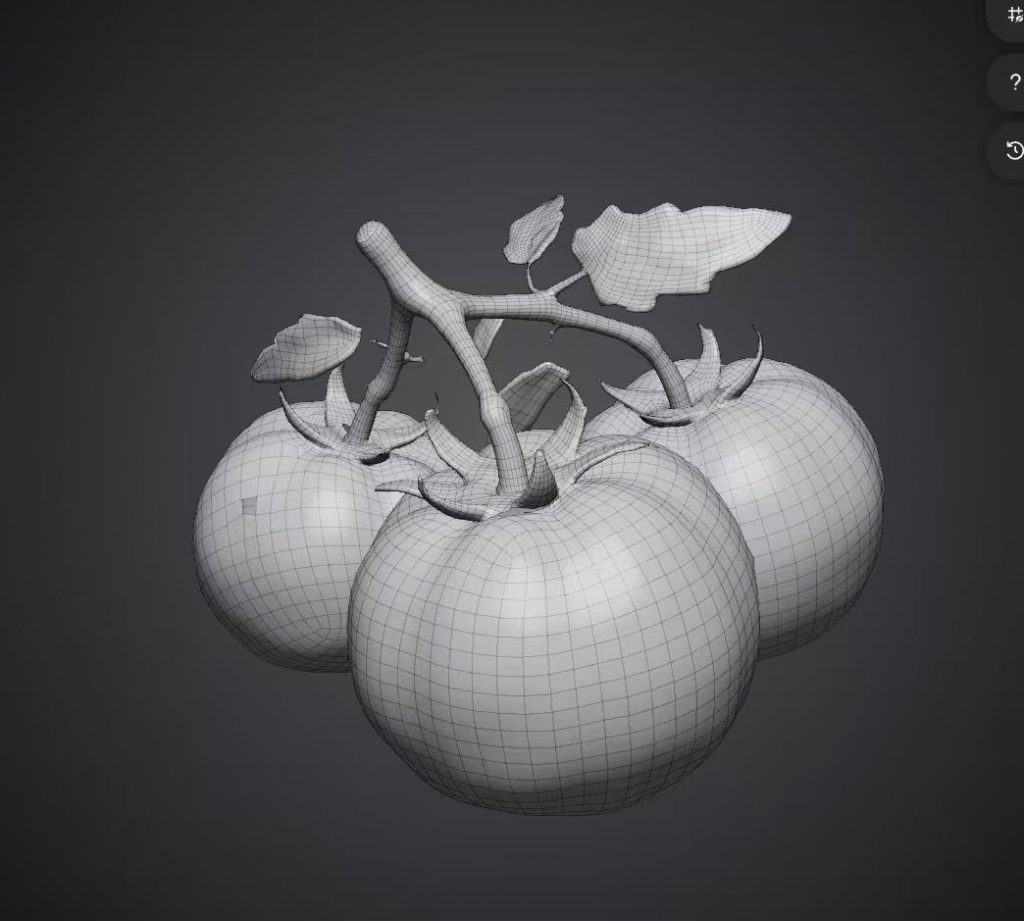
    Specifically, the leaf structure in plants is more suitable for adopting a billboard or low-poly alternative to reduce rendering overhead and enhance operational efficiency. However, in the current model, the leaves are still presented in a highly complex three-dimensional structure, which not only increases the number of polygons but also hinders subsequent animation and batch generation.


    Furthermore, from the perspective of topological structure, the wiring of this model is relatively irregular, exhibiting a certain degree of redundancy in the number of faces and structural confusion. Such models, after being imported into the engine, may pose inconveniences to performance optimization, material consistency, and subsequent animation binding, making them unsuitable for direct use as standardized assets.


    Based on the aforementioned issues, subsequent production requires further optimization of the model topology while ensuring visual effects, and the adoption of asset construction methods more suitable for real-time rendering, in order to enhance the overall project’s usability and stability.

  • week12

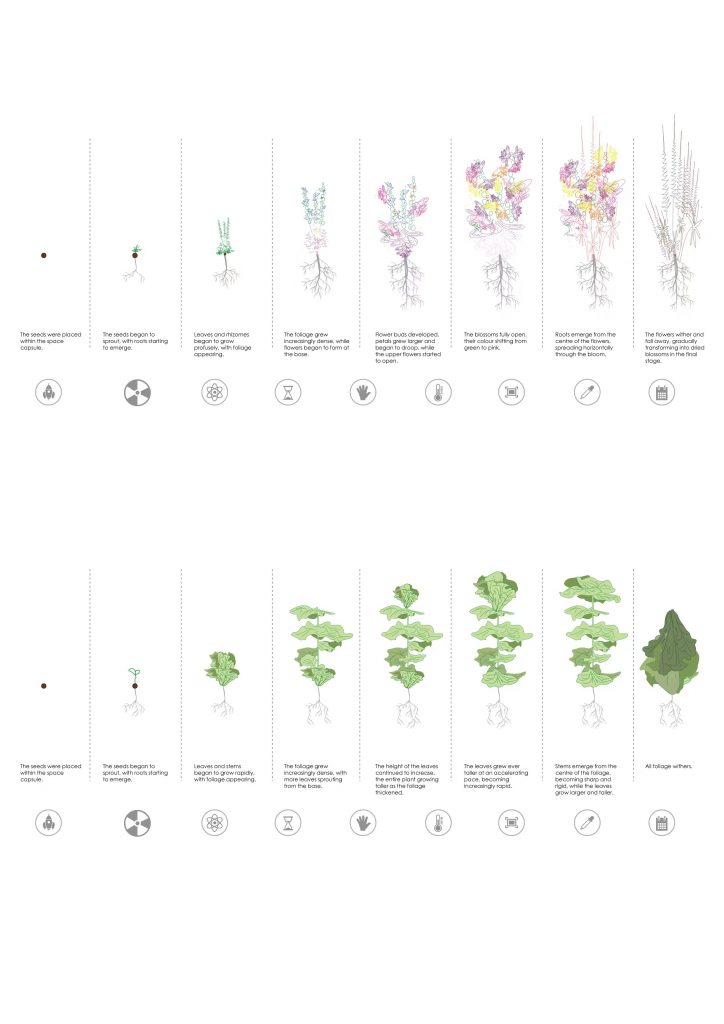
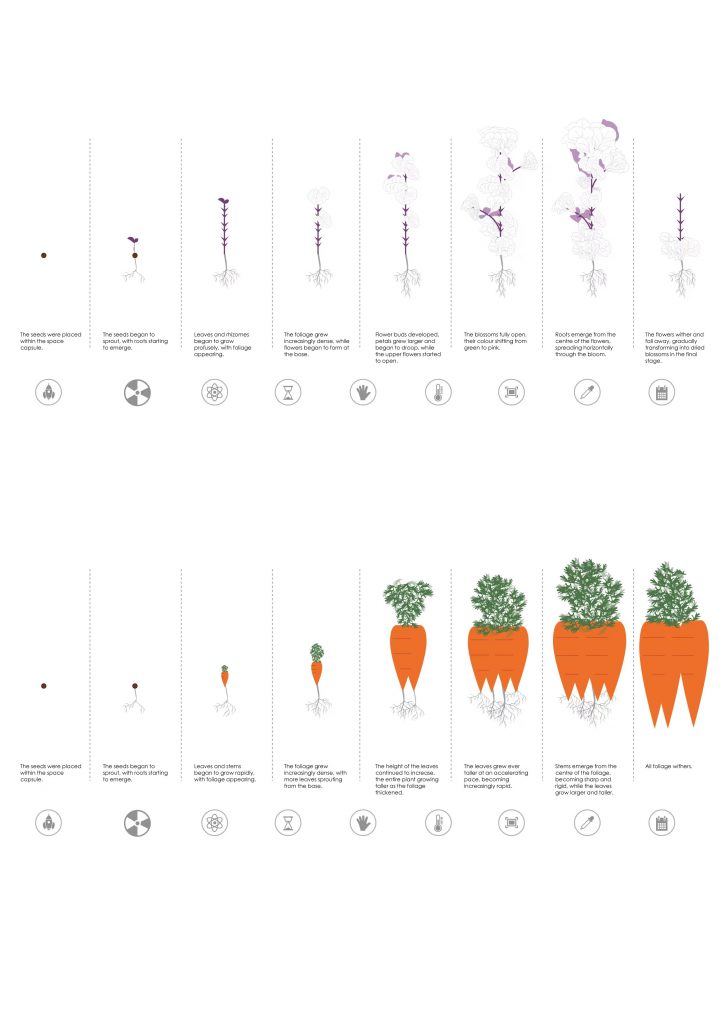
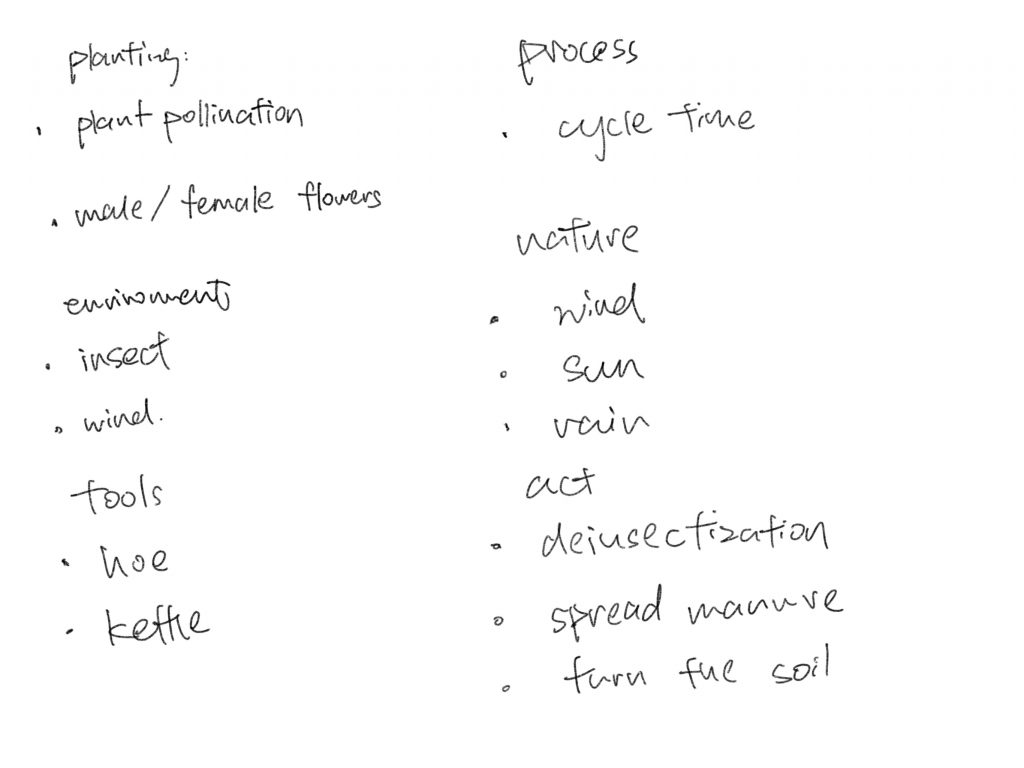
    This week, we further refined the design plan for the plant growth system, sorting out and dividing the key stages in the plant’s life cycle. In order to more clearly present the growth process of plants and provide a basis for the design of the subsequent interactive feedback mechanism, we plan to divide the plant growth state into multiple stages, such as the germination stage, seedling stage, growth stage, flowering stage, and fruiting stage. The user’s interactive behavior will have an impact on the stage the plant is in, allowing the plant to gradually change with time and maintenance conditions.

    In the early stages of mechanism design, we considered incorporating pest and disease factors into the game system, enriching user interaction content by setting up operations such as pest removal. However, after further researching the Martian environment and space agriculture-related materials, we realized that there are no insect populations in the natural ecosystem of Mars, and the common pest and disease issues in traditional agriculture are not applicable to the currently set Martian planting scenario. Therefore, to ensure the rationality and scientific basis of the project’s worldview, we decided to cancel the pest-related mechanisms and focus our design on core content directly related to plant growth, such as watering, fertilizing, and environmental parameter management.


    Through this week’s adjustments, we have further clarified the structural framework of the plant growth system, while aligning the project settings with the context of Martian agriculture, providing a clearer direction for the subsequent development of growth logic and interaction mechanisms.

    (sketch from ningkun guan)

  • week11

    This week, we began to verify and implement the core technical content required for the project, focusing on the research of the production and implementation process of plant growth effects. In combination with the project requirements, we plan to represent the growth process of plants from seedling to mature stage through animation, and import the completed resources into the game engine for interactive development and scene integration.
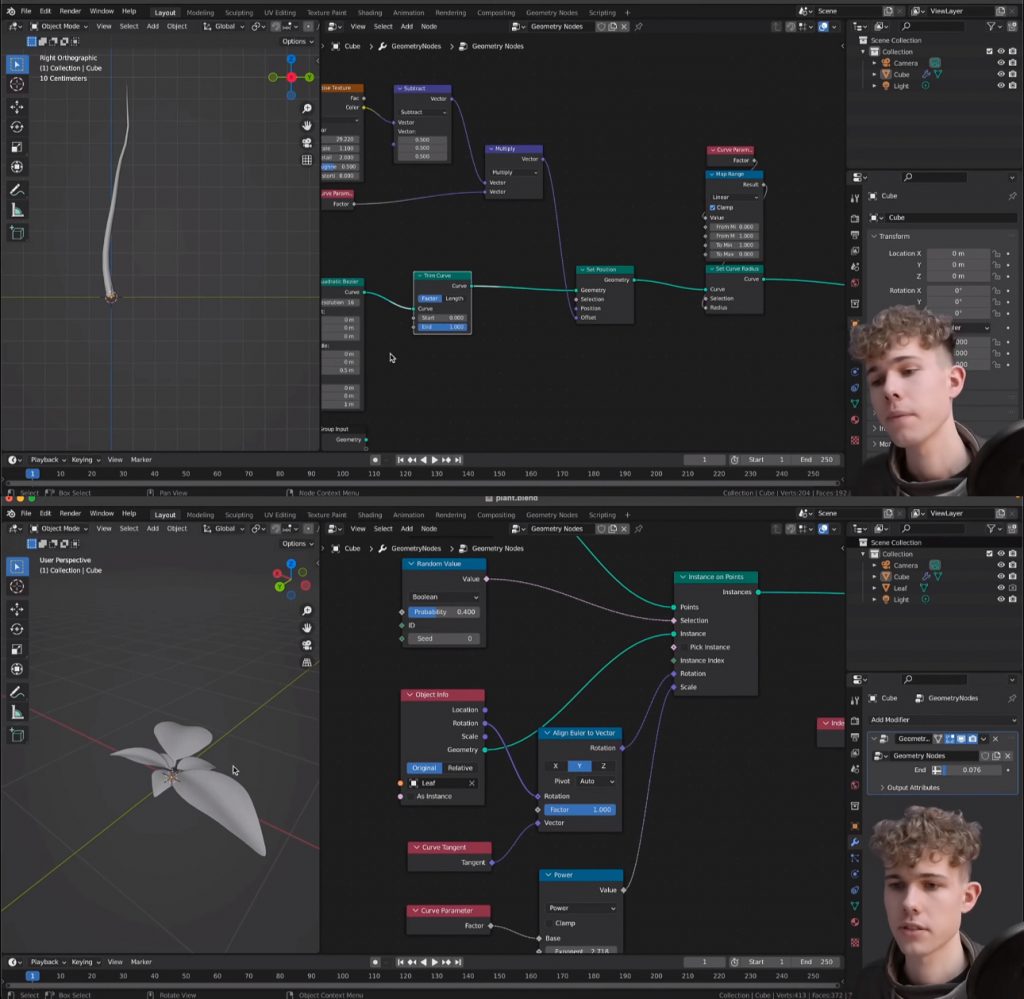
    During the technical research process, I proposed utilizing the Geometry Nodes system in Blender to programmatically simulate the growth process of plants. This method enables the control of plant morphology changes through parameters, achieving a more natural growth animation effect, while also possessing high adjustability and scalability. However, it is also relatively difficult to produce, requiring the construction of numerous programmatic nodes. We have recorded this method

    Meanwhile, the team has also begun discussing the choice of project development platform. Currently, the main consideration is to use Unity or UE5 (Unreal Engine 5) as the development engine for the project


    We have also completed the preliminary task division. By clarifying the scope of responsibilities for each member, we hope to enhance team collaboration efficiency and ensure that the project progresses in an orderly manner according to the predetermined plan.

    Since team members have varying degrees of experience with both engines, we did not make a selection solely based on functionality. Instead, we conducted a comprehensive evaluation that took into account the technical backgrounds of team members, division of labor, and the actual needs of the project.


    During the discussion, we believed that the choice of development tools not only affects the implementation effect of the project, but also directly impacts team collaboration efficiency and development progress. Therefore, based on the technical abilities of our members and the modules they are responsible for, we analyzed the adaptability of the two engines, hoping to leverage the existing strengths of the team through reasonable division of labor and reduce learning and communication costs.

  • week10

    Before the project officially enters the production phase, we believe that a clear division of tasks and project planning are crucial prerequisites for ensuring smooth development. This understanding also stems from the experience accumulated from previous project practices. In past projects, due to the lack of clear division of responsibilities, some tasks were prone to duplication or omission. Therefore, at the start-up phase of this project, we have made team division and work arrangement key topics for discussion and planning.


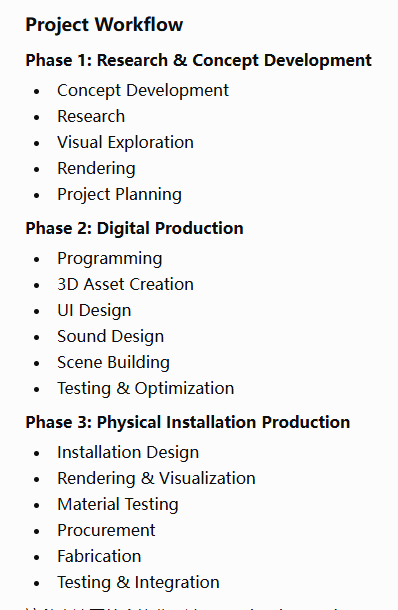
    Considering that this project involves multiple modules such as interaction design, program development, 3D art, and physical device production, with a large overall workload and a significant number of participating members, it is even more crucial to establish a reasonable collaboration mechanism and clear division of responsibilities. By assigning tasks based on members’ professional backgrounds and skill sets, not only can work efficiency be improved, but it also facilitates parallel progress in each module, reducing communication costs and resource waste.


    In addition, formulating a relatively clear work plan in the early stage is also beneficial for the team to grasp the overall development progress, coordinate work content at different stages in a timely manner, and make adjustments and optimizations according to actual situations. Practice has proved that reasonable division of labor and planning are not only important components of project management, but also an important foundation for ensuring the continuous progress and ultimate successful completion of the project.

  • week9

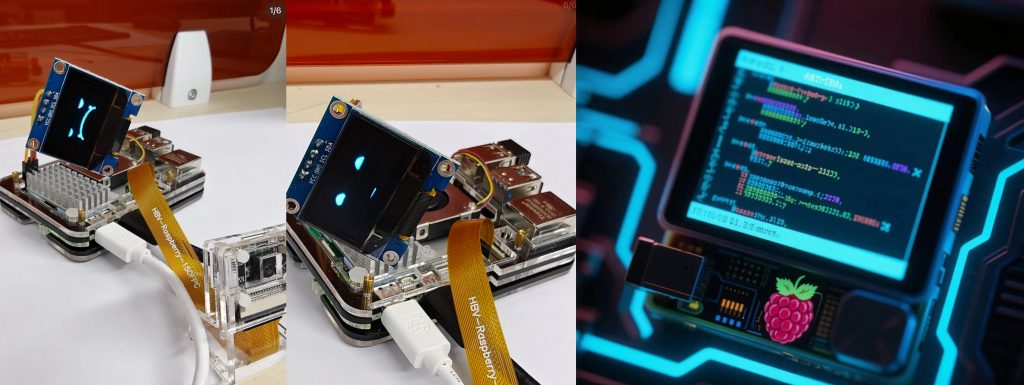
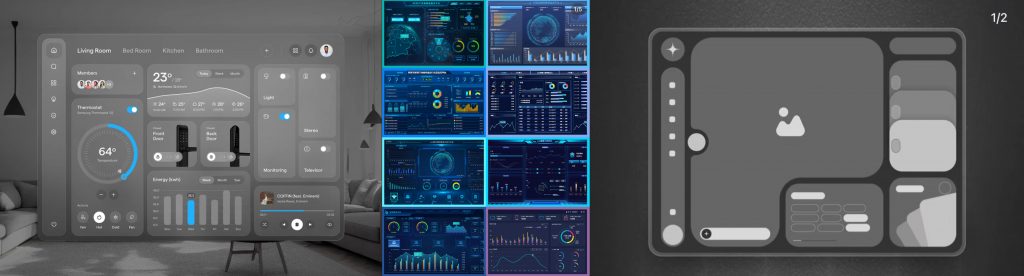
    During the process of collecting project inspiration and researching reference cases, we discovered a small interactive device similar to early electronic pet machines. This device, with an electronic display screen as its core, is capable of presenting status information in real time and maintaining continuous interaction with users.

    The display device, through programming, can serve as a visual interface for plant growth status, displaying key data related to the planting process in real time, such as environmental temperature, humidity, lighting conditions, and the current growth stage of the plant. Through intuitive data feedback, users can timely understand the growth status of the plant

    Furthermore, presenting plant cultivation information through electronic devices can also enhance the thematic atmosphere of technological agriculture and future Mars planting in the project. Users can not only observe the changes of plants in a virtual environment but also receive real-time feedback through physical devices, thereby establishing a closer relationship between the virtual and real worlds and further enhancing the immersion and integrity of the overall experience. We envision presenting this in the form of a user interface (UI) to incorporate visual content into the project. This type of device poses some challenges for us, who are inexperienced.

  • week8

    This week, we further discussed and planned the interaction mechanism and physical device design of the project. Based on the previous research results regarding the planting process, we decided to make “watering” and “fertilizing” the core interaction behaviors of the project. Users participate in the plant cultivation process by performing these two operations, and the growth status of the plants will change accordingly based on the user’s interaction, thus forming a feedback-based interactive experience.


    Meanwhile, the group members proposed multiple design schemes for the implementation of the physical device. The discussion mainly revolved around the interaction form, device structure, virtual-real integration method, and user operation experience.


    Through this week’s discussions, we have preliminarily clarified the core interaction logic of the project and completed the conception of multiple device concept schemes, laying a foundation for subsequent prototype design and technical implementation.

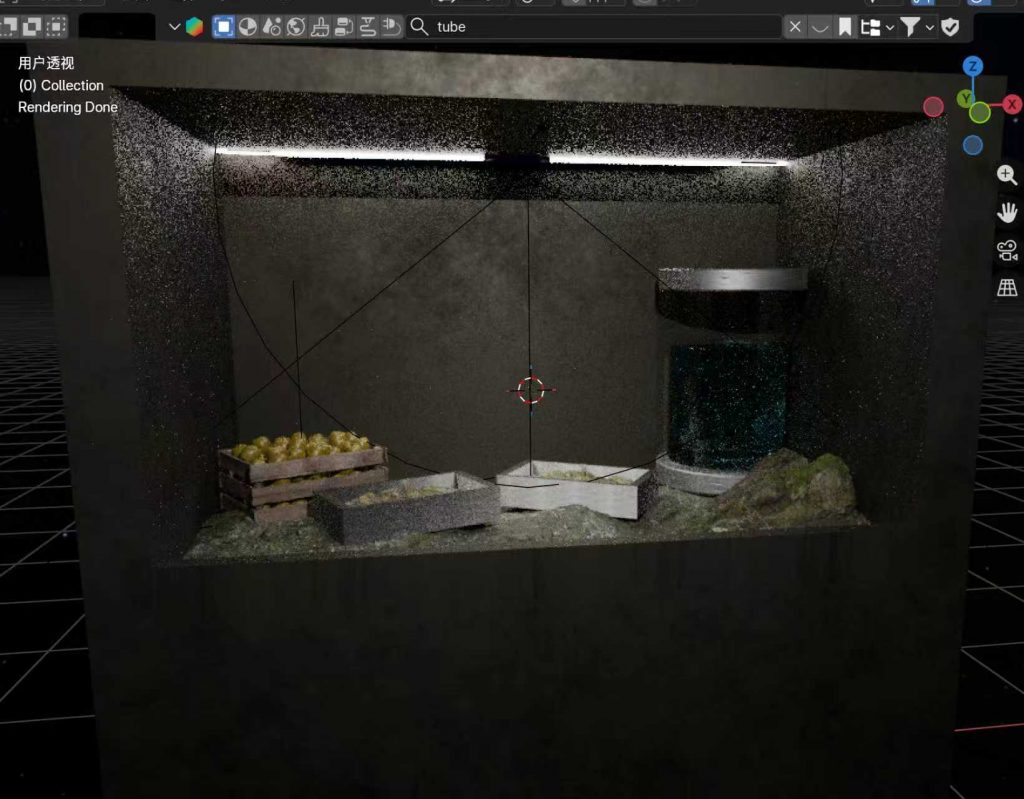
    At the initial stage of project development, we conducted visual verification of the design scheme through 3D rendering. By building preliminary scenes and outputting renderings, we were able to observe the overall spatial layout, visual style, material representation, and lighting atmosphere more intuitively, thus promptly identifying and adjusting issues in the design.
    This process not only helps the team unify their understanding of the visual direction of the project, but also provides a reference for subsequent scene construction, equipment production, and resource development. Through repeated evaluation and optimization of the rendering effects, we can complete partial design verification before the official production stage begins, reducing the cost of later modifications and improving overall development efficiency.

  • week7

    Due to the general lack of practical planting experience among team members and their limited understanding of specific plant cultivation processes and management methods, we conducted preliminary research on planting-related knowledge this week.


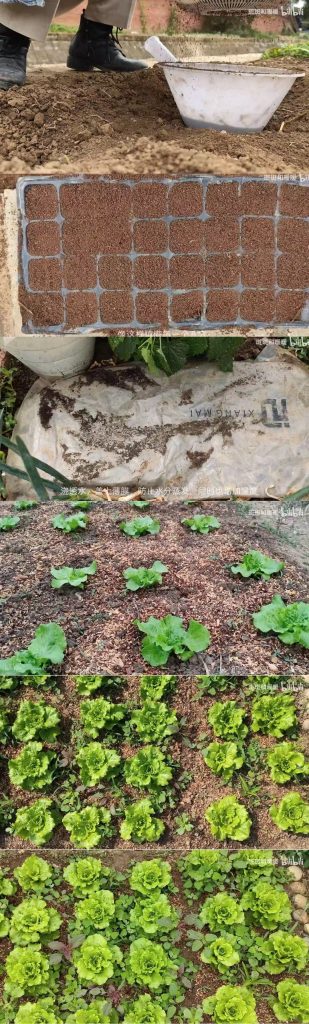
    Firstly, I conducted interviews with friends who have planting experience to understand the main steps involved in the process of planting from sowing to harvesting. The interviews covered management measures required at different growth stages, such as daily maintenance tasks like watering, fertilizing, and pest and disease control, as well as whether the frequency and methods of implementing these actions would affect the growth status and ultimate yield of the plants. Through this interview, we gained a more specific understanding of the key operations and influencing factors in the plant growth cycle, and provided a realistic basis for the design of subsequent interaction mechanisms.

    Meanwhile, we consulted relevant materials released by the National Aeronautics and Space Administration (NASA) and focused on researching cases of plant cultivation and growth in space environments. By understanding NASA’s experimental achievements in the field of space agriculture, we recognized that plant cultivation is not only an important guarantee for future deep space exploration but also a key component in building a sustainable ecosystem. Furthermore, we documented some successfully cultivated plant species, such as tomatoes and cabbage, and analyzed their growth characteristics and cultivation conditions in controlled environments.


    Through this week’s research, we have further clarified that the Mars planting project needs to balance scientific basis and interactive experience design. In the subsequent development process, we plan to transform key maintenance behaviors during plant growth into interactive content that players can participate in, and combine it with real space agriculture research results to enhance the credibility and educational value of the project content.

  • week6

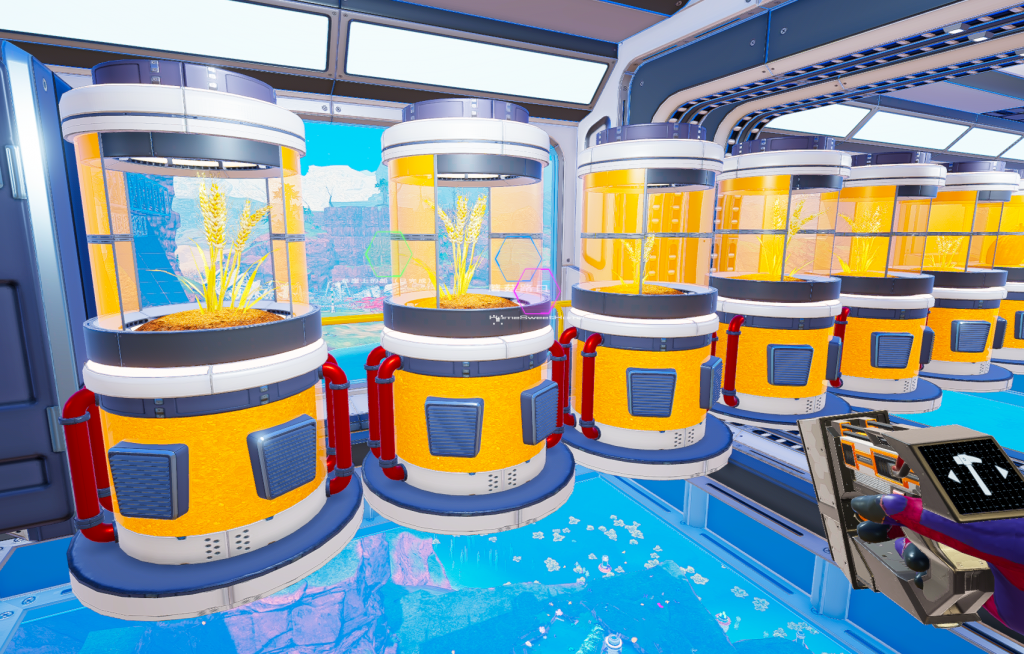
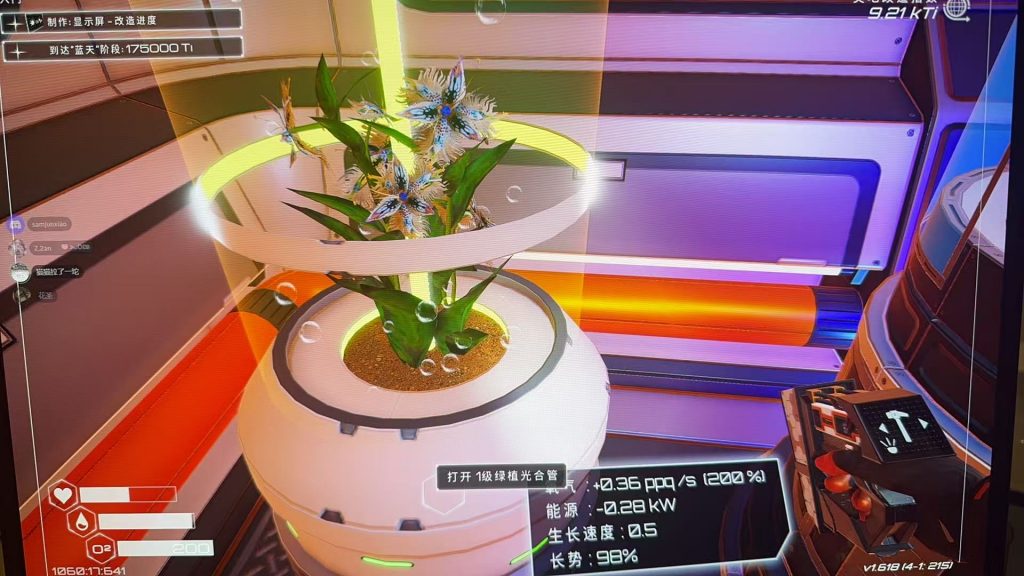
    To further clarify the design direction and manifestation of the project, we conducted relevant case research this week. Considering the strong technological attributes and future scenario characteristics of the “Mars Cultivation” theme, the team members collectively experienced and analyzed the game “The Planet Crafter”. During the research process, we focused on recording its artistic style, environmental construction methods, and the design logic of resource recycling and ecological development, in order to gain design inspiration for future ecosystems and space survival scenarios.

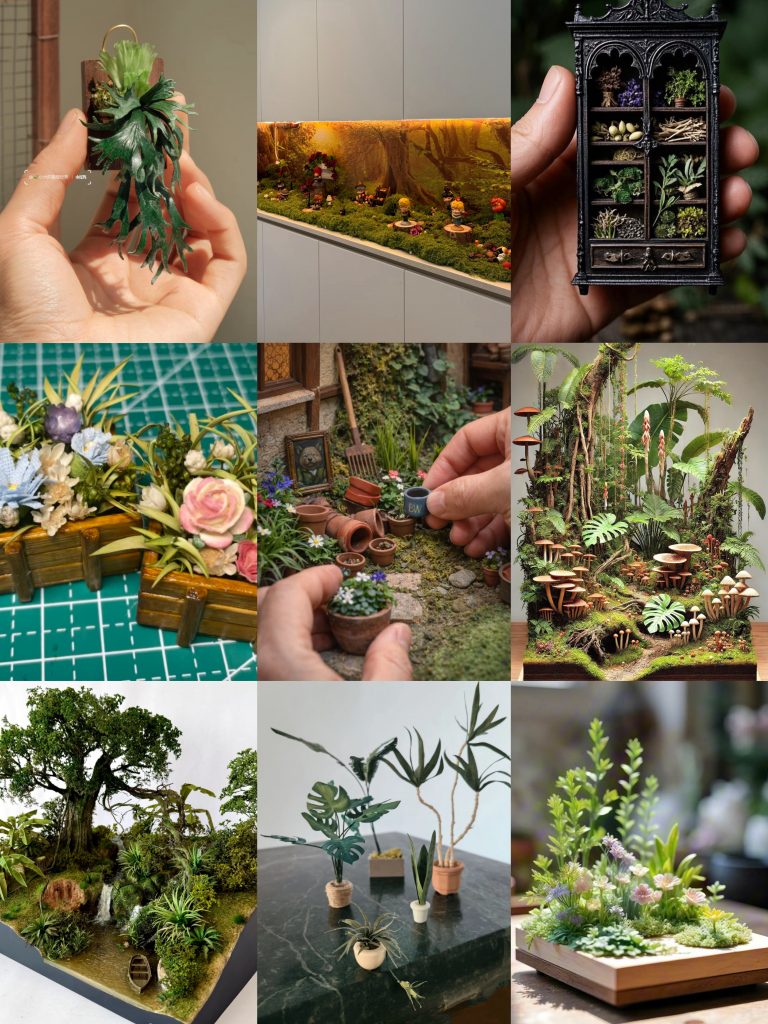
    In addition, during this week’s group discussion, member Orange proposed the idea of using miniature models to build physical scenes. This solution helps combine physical devices with virtual content, providing new possibilities for the design of subsequent mixed reality experiences.


    After communicating with our supervisors and classmates, we also received an important suggestion: plant cultivation inherently possesses distinct temporal characteristics. Its core value lies not only in the cultivation itself but also in observing the changes exhibited by plants during different growth stages. Therefore, in the design process, it is necessary to enable players to perceive and experience the complete growth process of plants from planting to maturity.


    Based on the aforementioned discussion and analysis, we have preliminarily determined the design direction of the project, which involves constructing a futuristic vegetable garden scene in a virtual environment and designing the state changes of multiple groups of plants during different growth stages. By visually presenting the growth process of plants, we aim to enhance players’ understanding of the Martian agricultural ecosystem, while simultaneously improving the interactivity and immersion of the project.