This week, in planning the production scheme for the physical device, we gave priority to using 3D printing technology to complete the production of plant models and related components.
In the specific practical process, we first created some single plant models to test the visual effects and structural representation after the model was materialized. Taking into account the overall size, spatial layout, and user viewing experience of the final installation, we also experimented with creating plant models of different scales to compare the differences in display effects, detail retention, and spatial adaptability among various sizes.
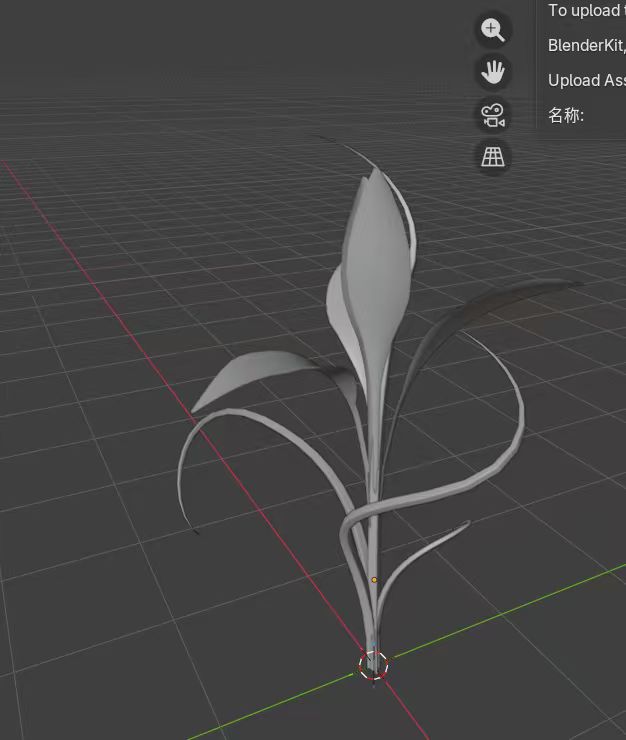
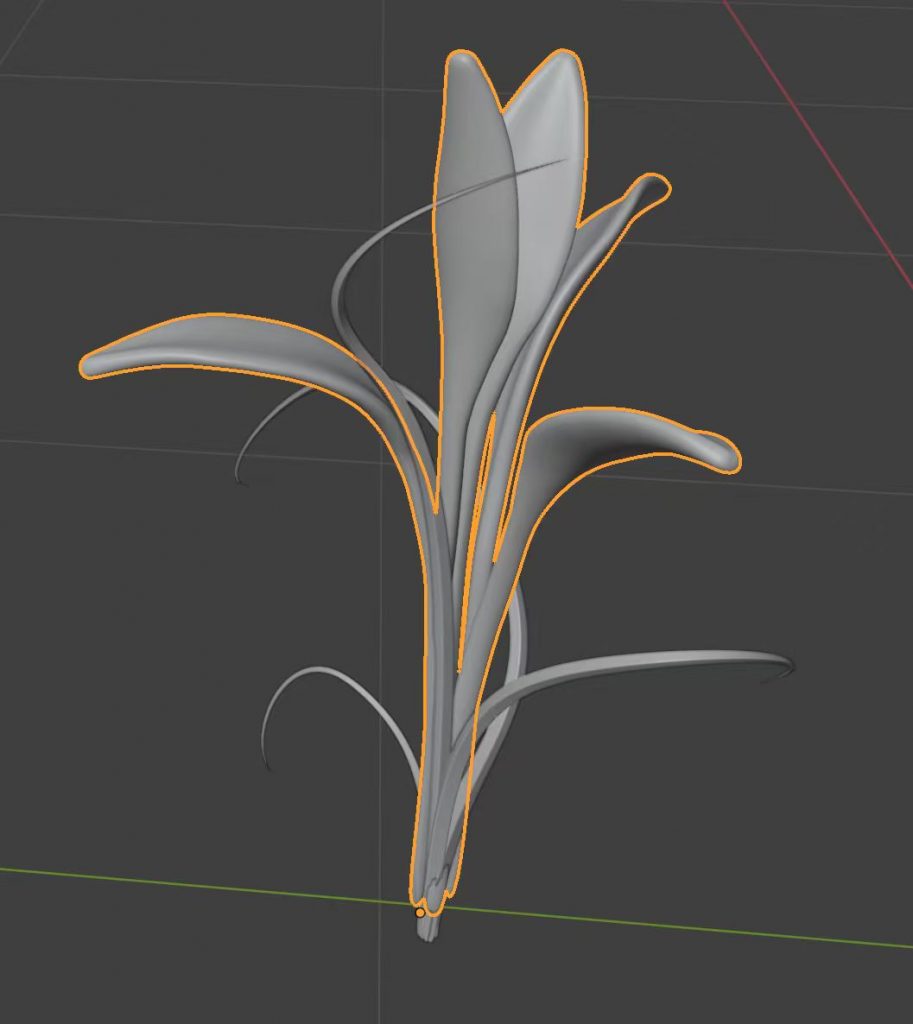
3D printing cannot use patches, make modifications on the original basis, or increase thickness
We began the procurement of materials and accessories required for the physical device, and further refined the production plan for the device. In the early design stage, we had planned to use acrylic sheets for laser cutting to complete the production of the main structure of the device. This plan had the advantages of high processing accuracy and a relatively mature production process, and was initially considered as the main implementation method.
However, during the subsequent structural analysis, we found that multiple components of the device were designed with irregular shapes, and some curved surfaces and irregular structures were difficult to directly achieve through planar cutting processes. If we continued to adopt the acrylic cutting solution, it might require more complex splicing and post-processing, which would not only increase the difficulty of production but also potentially affect the overall structural stability and visual effects.
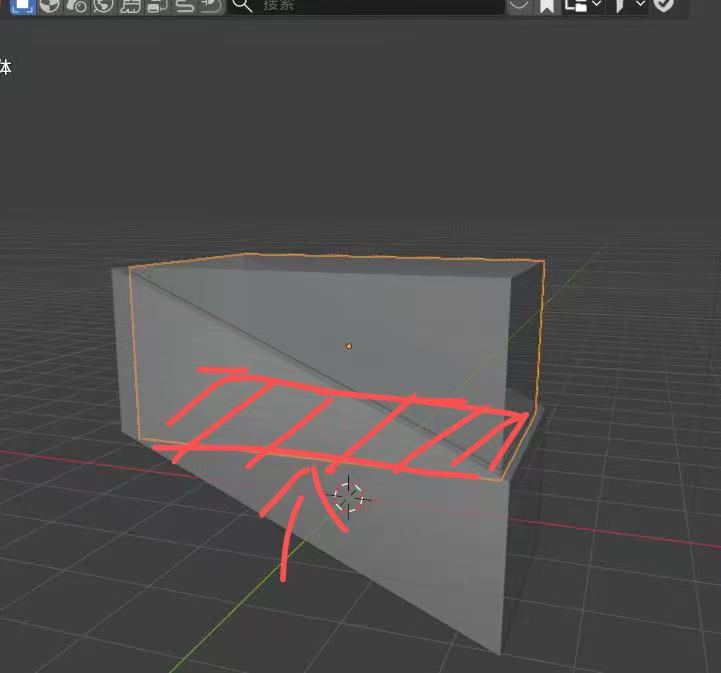
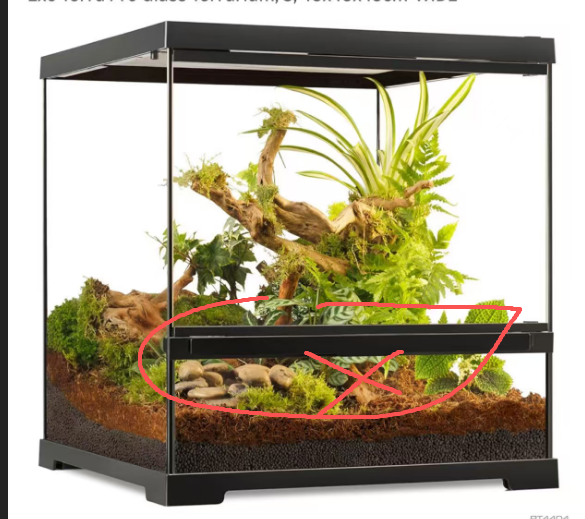
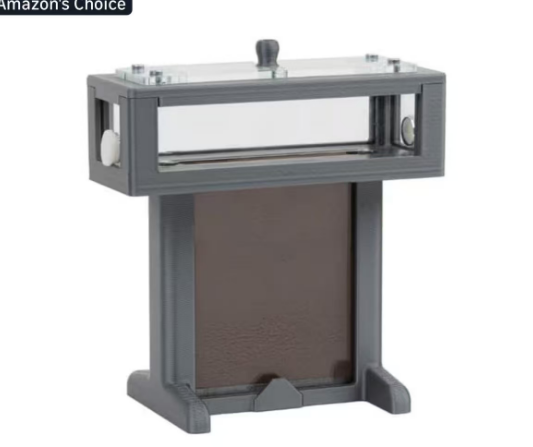
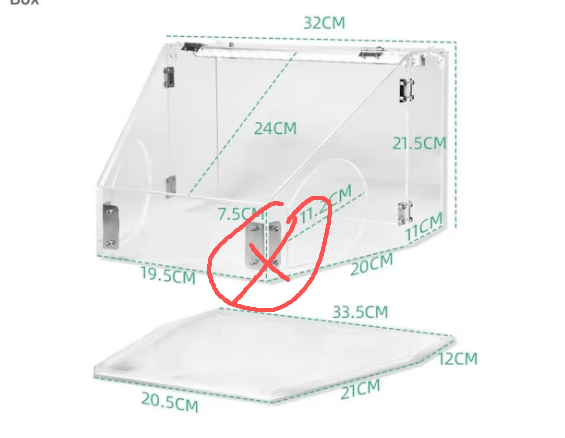
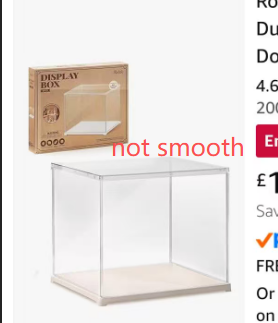
During the production phase of physical devices, we further explored the option of using off-the-shelf standardized components for secondary processing, aiming to enhance production efficiency and structural controllability. To meet the needs of different modules of the device, we conducted research and comparison on various specifications and sizes of basic components in the market, in order to assess their adaptability in practical devices.
During the screening process, we primarily focused on the dimensional flexibility of the components, material properties, and the feasibility of subsequent modifications, to ensure that they can meet structural requirements while preserving sufficient space for subsequent design adjustments. Through comparative analysis of different sizes and shapes, we initially identified the range of basic components suitable for each functional module of the device.
At the same time, we have also assessed the potential for certain modifications to these standardized components, including cutting, splicing, surface treatment, and structural reorganization, in order to explore their expanded applications within the device system. This process helps to enhance the overall flexibility and feasibility of the device while controlling production costs and cycles.
Leave a Reply