This week, we have completed the preliminary conceptual design of the project’s physical installation and produced effect diagrams of the installation model, in order to further evaluate its appearance, structural layout, and its alignment with the overall project theme. Considering that the project’s physical installation needs to be customized and processed through a factory, its production cycle is relatively long, and the production process may involve multiple steps such as size adjustment, structural optimization, and sample testing. Therefore, we have decided to carry out relevant preparatory work for the installation production in advance.
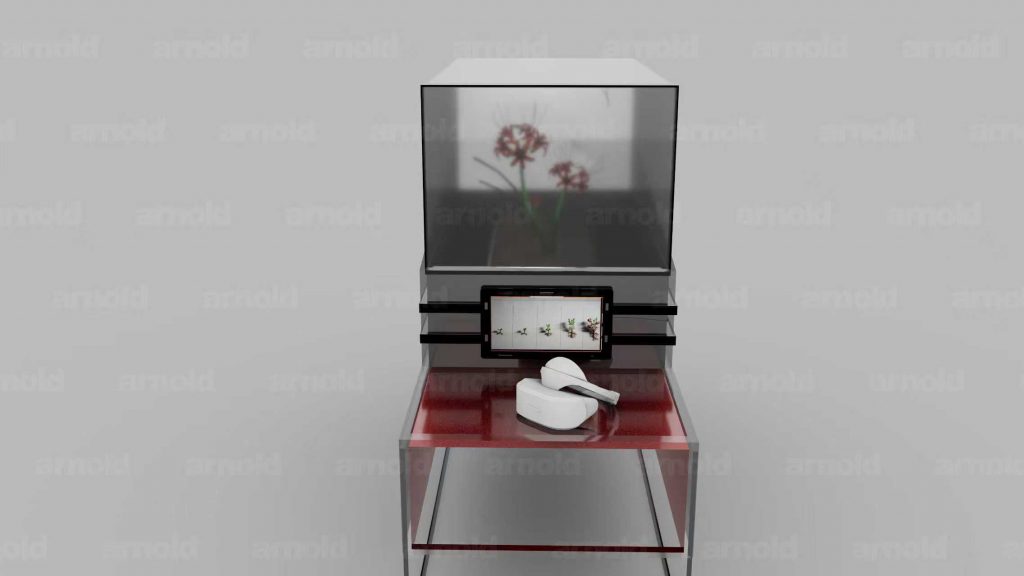
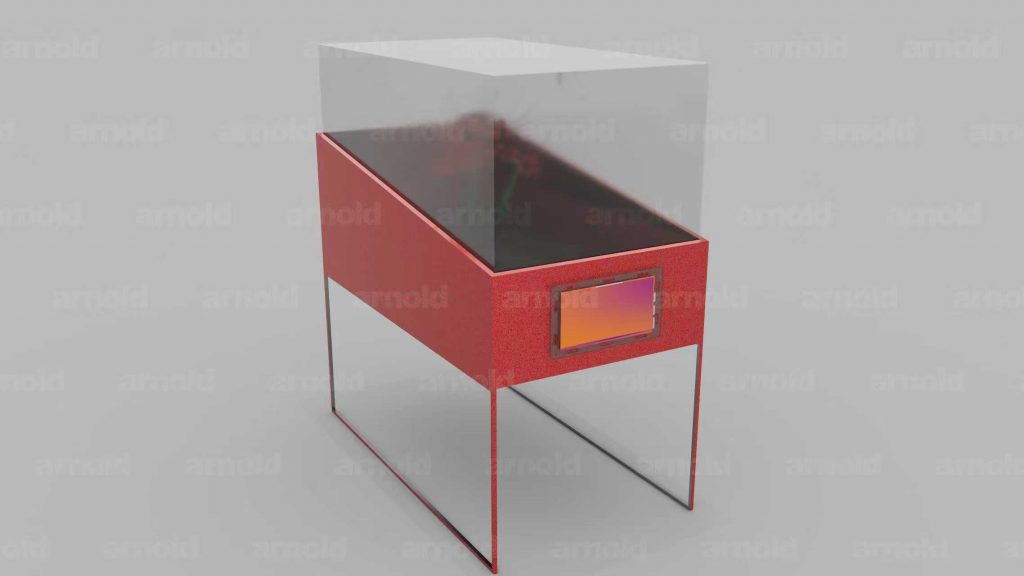
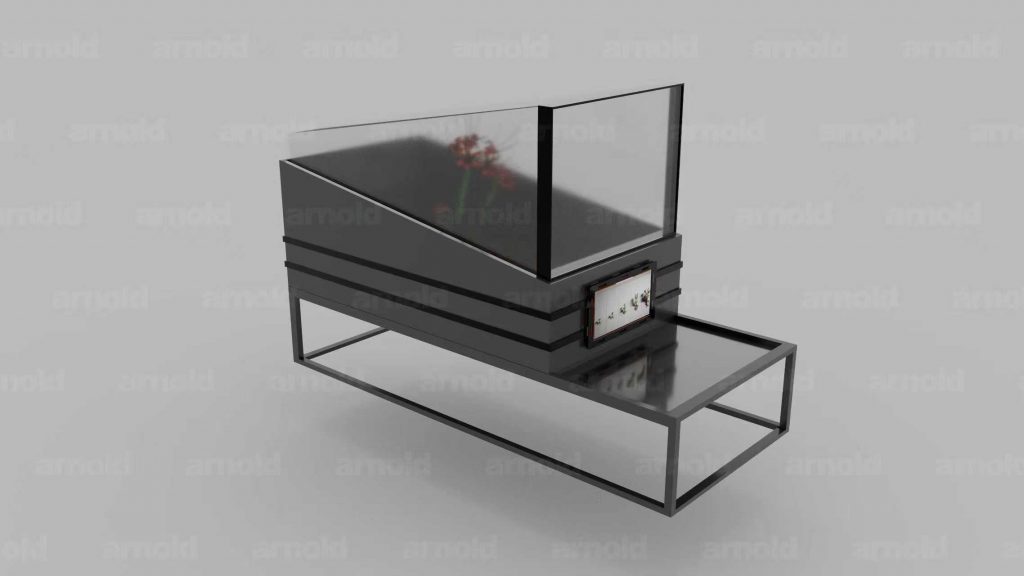
Meanwhile, the art department has begun collecting and organizing visual resources, focusing on gathering usable model assets and reference materials related to future agriculture, Martian environments, technological devices, and other related content, in preparation for subsequent scene construction, model making, and visual style unification.
In terms of the resource production process, I have attempted to incorporate artificial intelligence (AI) generation tools into the workflow, hoping to improve production efficiency and shorten the development cycle through AI-assisted modeling. However, during the actual testing process, it was found that the currently generated models still have certain limitations in terms of detail representation, structural rationality, and project adaptability. Especially in terms of model topology, wiring specifications, and texture quality, the generated results are difficult to meet the requirements of subsequent animation production, real-time rendering, and engine development. Therefore, more time is required for secondary modification and optimization.
After a comprehensive evaluation, we have decided to temporarily adopt traditional modeling processes and existing asset resources as the primary production methods, with AI tools serving as auxiliary references rather than core production means, in order to ensure the quality of project resources and the stability of subsequent development work
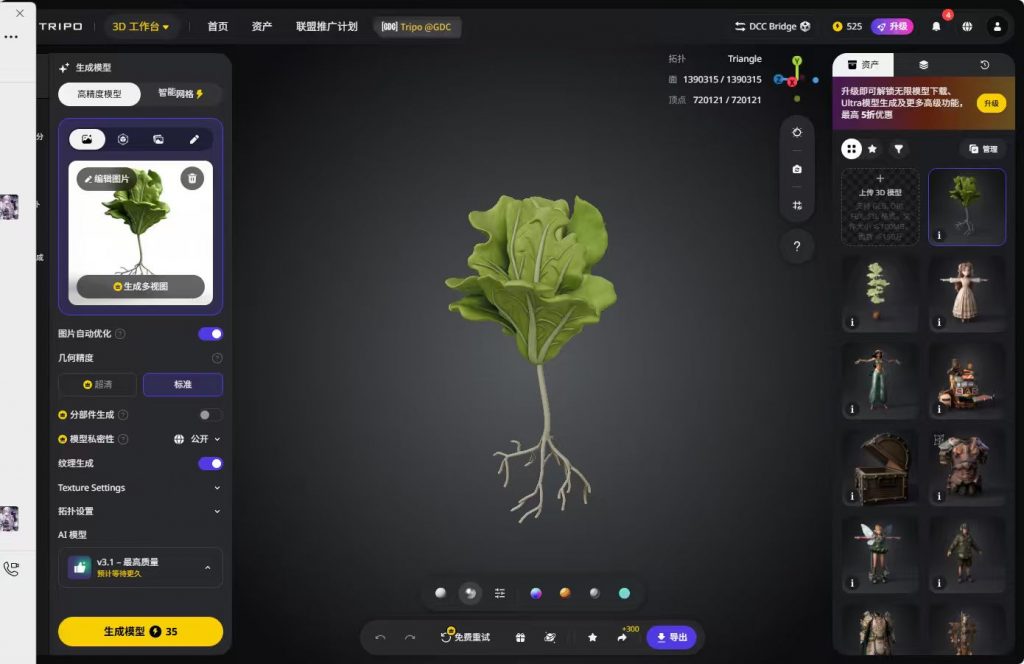
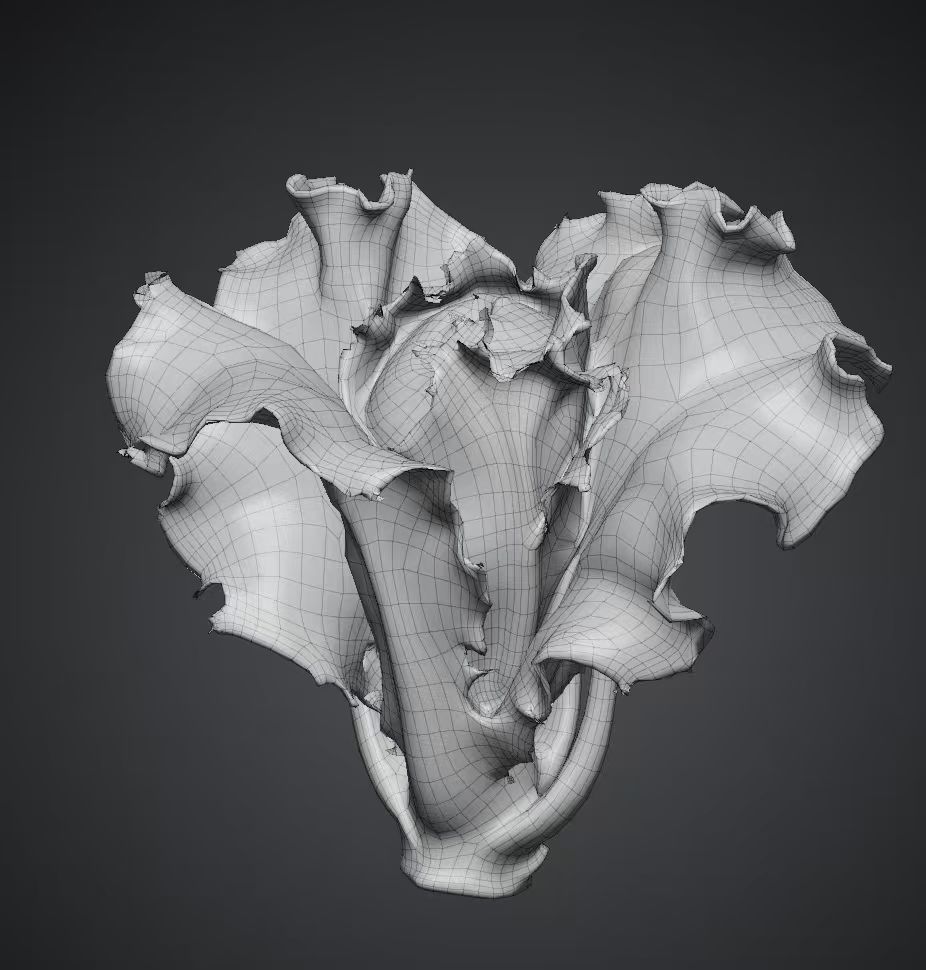
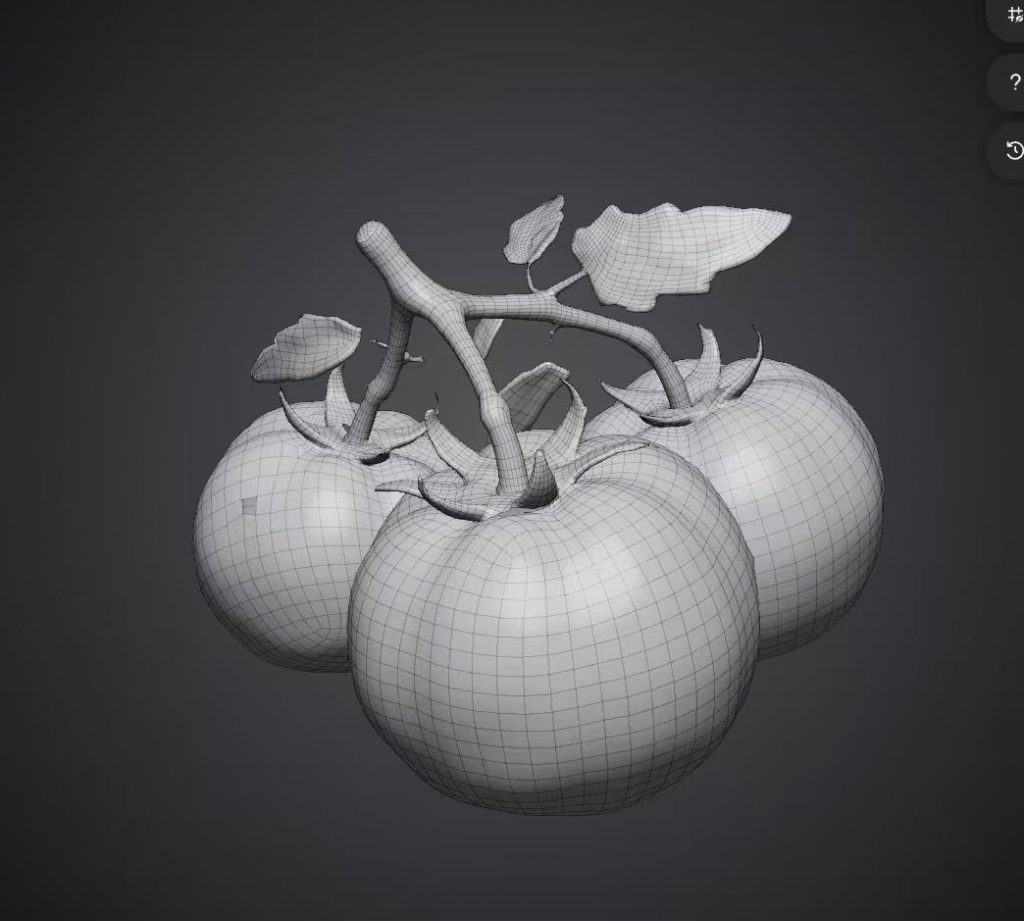
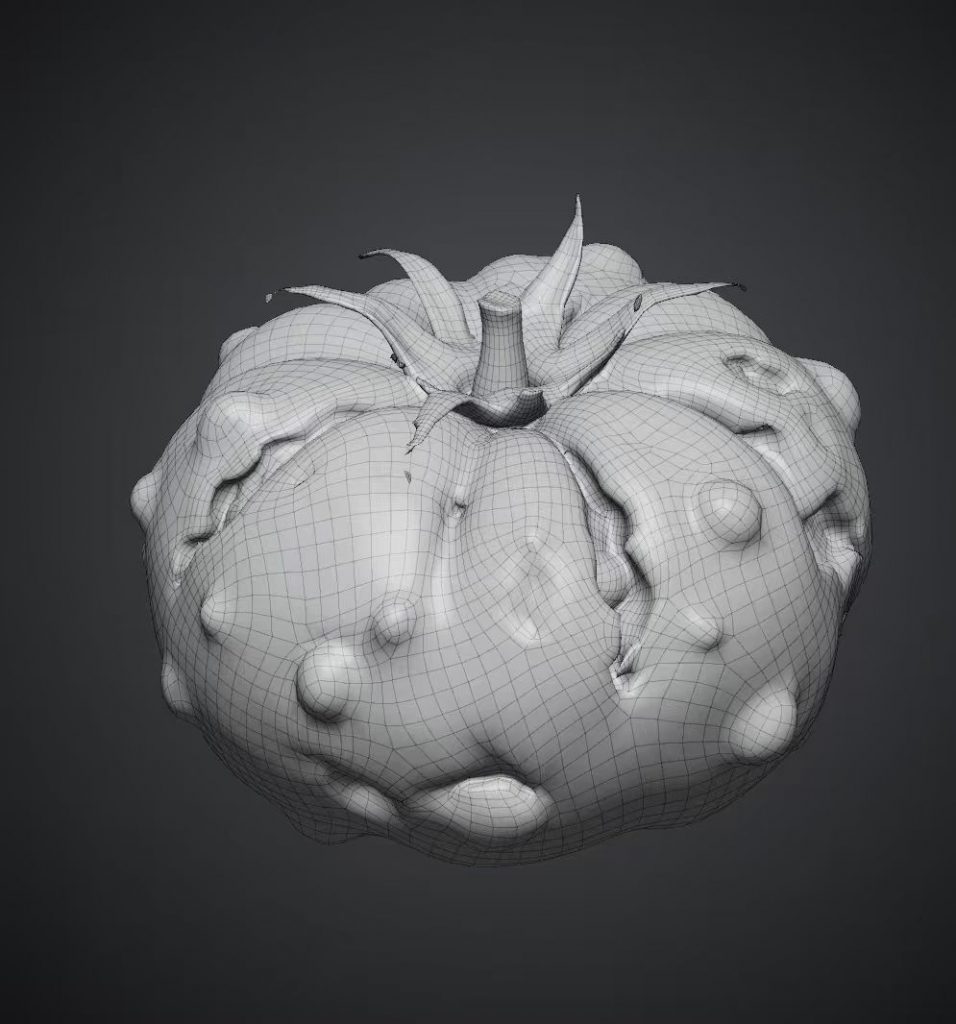
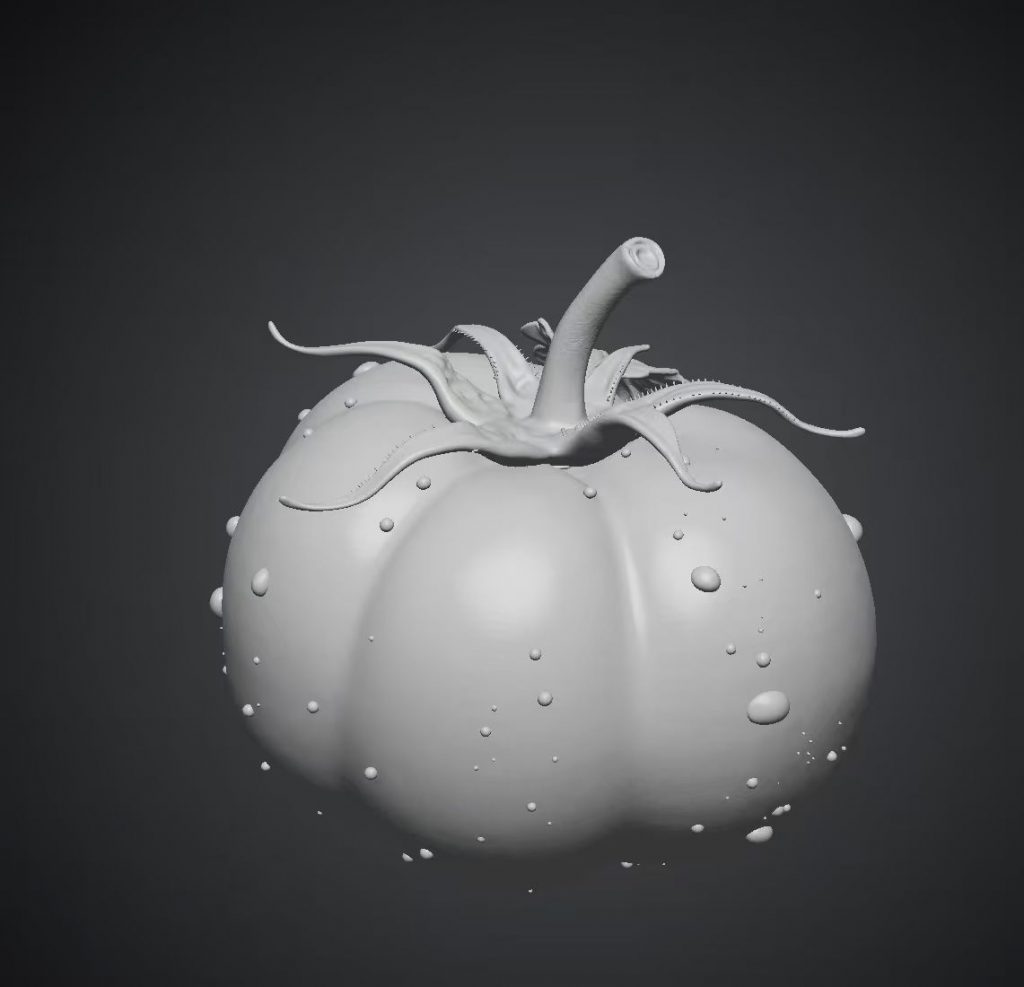
Although the current model has achieved a certain level of usability in terms of overall appearance, from the perspective of practical project applications, it still cannot be directly used as the final asset. In the engine operation and real-time rendering environment, the structural standardization and performance optimization of the model are equally important, and the existing model still has significant deficiencies in these two aspects.
Specifically, the leaf structure in plants is more suitable for adopting a billboard or low-poly alternative to reduce rendering overhead and enhance operational efficiency. However, in the current model, the leaves are still presented in a highly complex three-dimensional structure, which not only increases the number of polygons but also hinders subsequent animation and batch generation.
Furthermore, from the perspective of topological structure, the wiring of this model is relatively irregular, exhibiting a certain degree of redundancy in the number of faces and structural confusion. Such models, after being imported into the engine, may pose inconveniences to performance optimization, material consistency, and subsequent animation binding, making them unsuitable for direct use as standardized assets.
Based on the aforementioned issues, subsequent production requires further optimization of the model topology while ensuring visual effects, and the adoption of asset construction methods more suitable for real-time rendering, in order to enhance the overall project’s usability and stability.
Leave a Reply