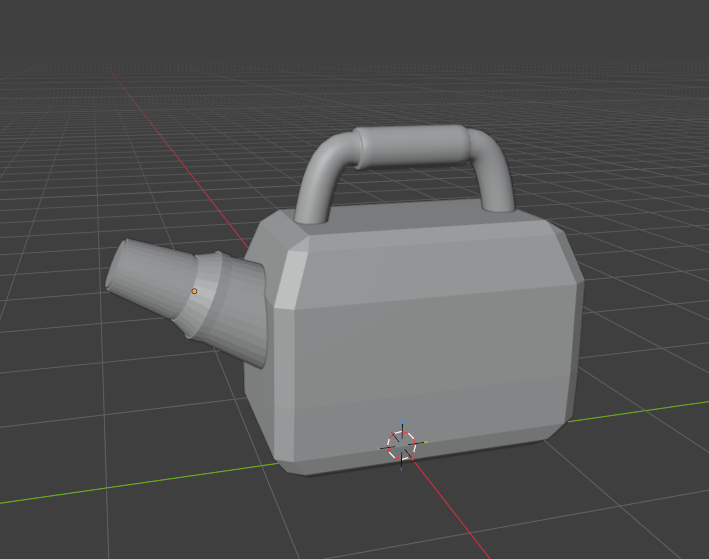
As I am familiar with the requirements for model topology and resource optimization in real-time projects, I am primarily responsible for creating the scene architecture and most of the prop assets in the project. During the resource creation process, I always prioritize real-time rendering performance, ensuring overall visual effects while minimizing model complexity to meet the operational requirements of VR projects.
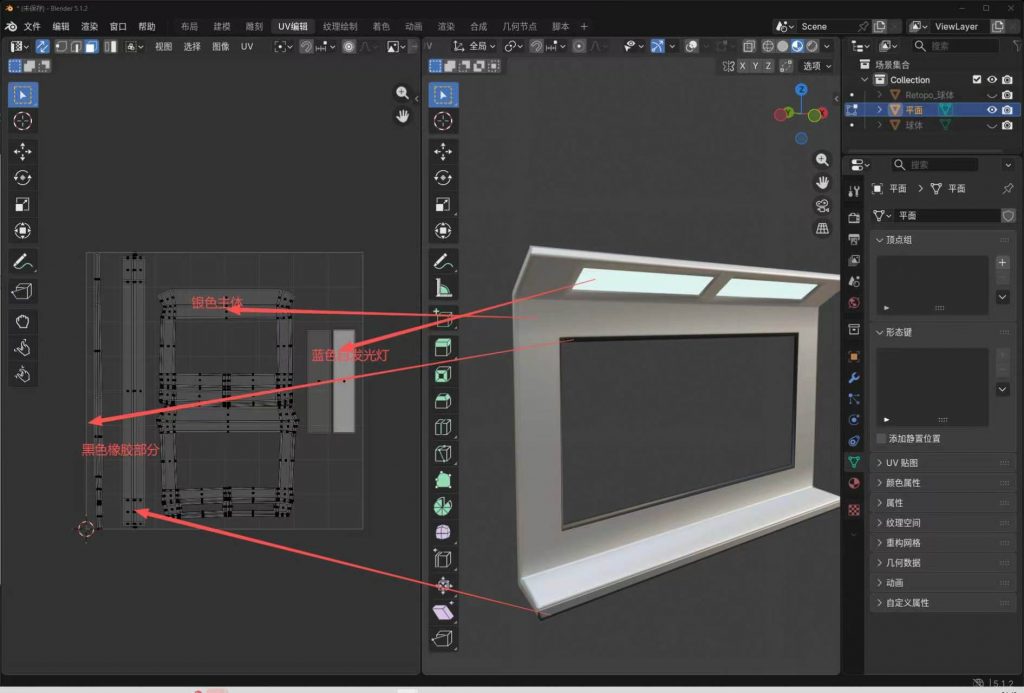
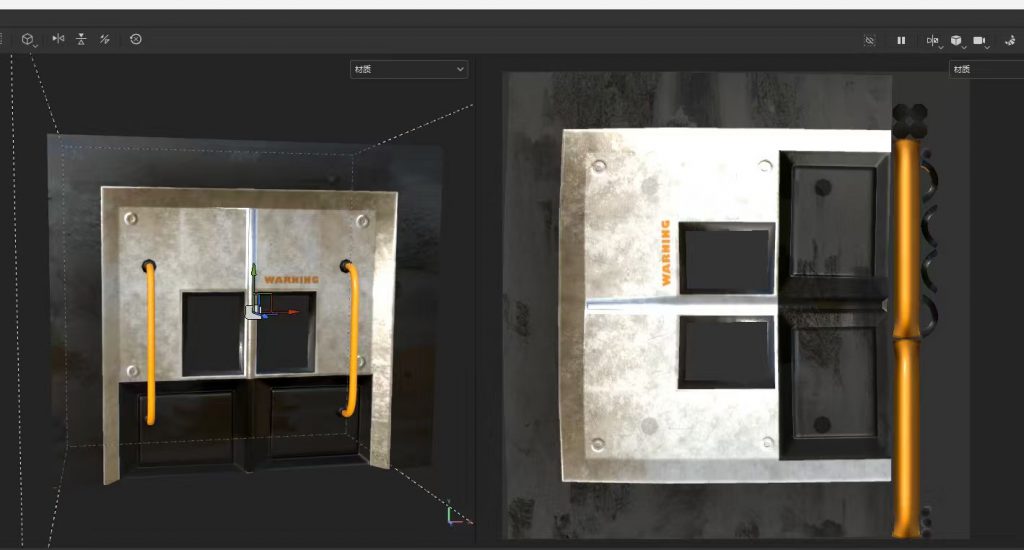
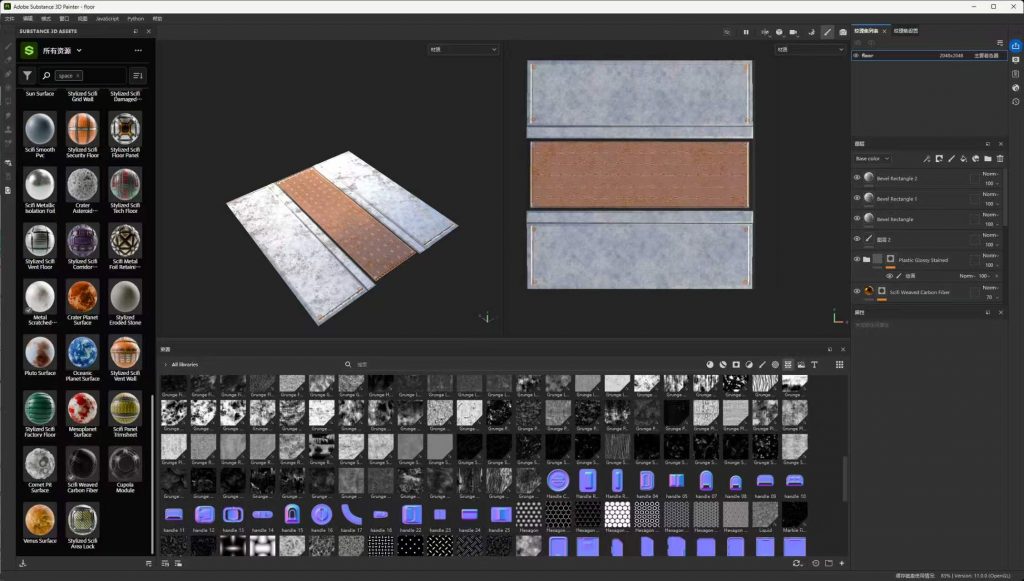
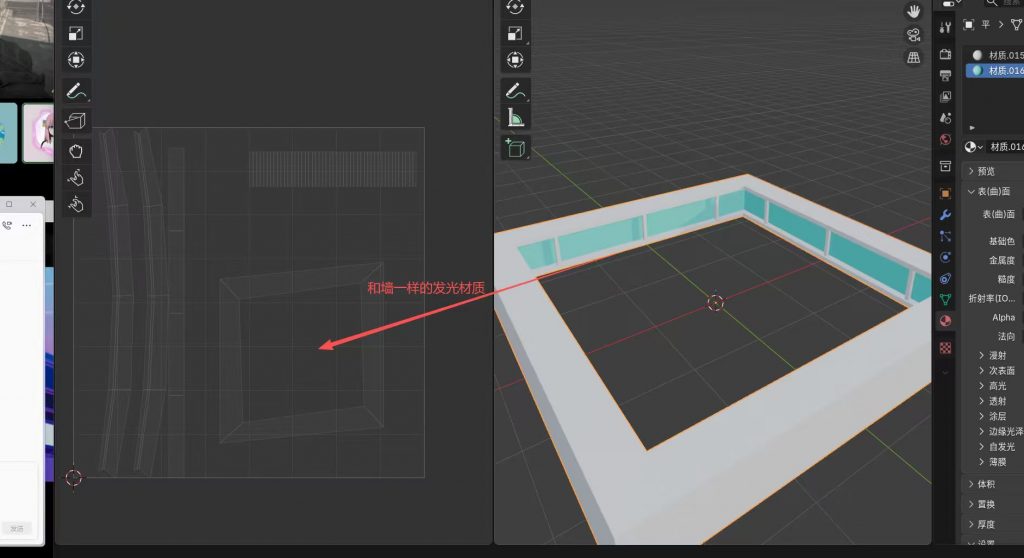
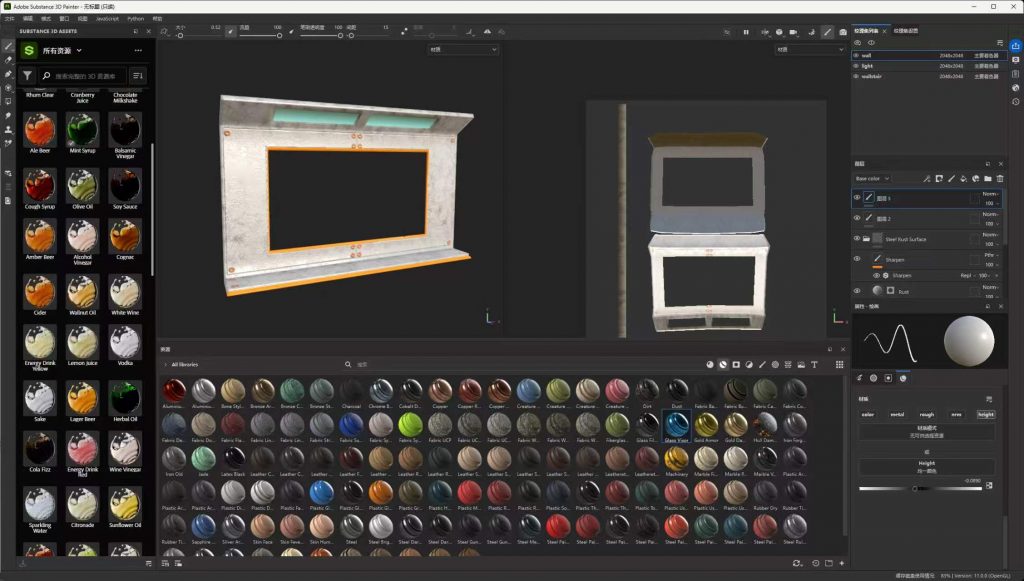
To reduce the number of model faces, I adopted a method of using textures instead of geometric details. The bump structures that were originally dependent on the model were transferred to Normal Maps and material textures for completion. Although this approach simplifies the geometric hierarchy of the model itself, it significantly reduces rendering overhead and better meets the performance optimization requirements of real-time interactive projects. During the project development process, I also further realized that for VR projects that require stable operation, appropriately sacrificing some geometric details is an important strategy to ensure overall performance.
In the early stages of scene design, we had planned to add more environmental facilities outside the buildings to enrich the spatial hierarchy of the Mars base. However, during the performance testing process, it was discovered that adding new buildings would further increase the scene rendering burden. Therefore, we ultimately decided to cancel this part of the content and focus resources on the core experience area to ensure overall operational efficiency.
In terms of material design, to highlight the futuristic feel of the Mars base, I extensively used metal materials as the main body of the architecture, and employed normal mapping to represent details such as bolts, metal joints, and iron plate structures, enhancing the realism and spatial hierarchy of the materials without increasing the number of model faces. This production method strikes a good balance between visual representation and performance optimization, and also makes the overall style of the scene more consistent with the future agricultural experimental environment set by the project.
Leave a Reply