This week, I assisted in the production of the plant part of the physical device and mainly participated in material testing and optimization of the production process. In the initial plan, we intended to use clay as the main material for the plant model, hoping to utilize its strong malleability to achieve the overall shape. However, during the actual production process, it was found that clay fell short of expectations in terms of texture, detail representation, and structural shaping, and the final effect did not well reflect the design plan.
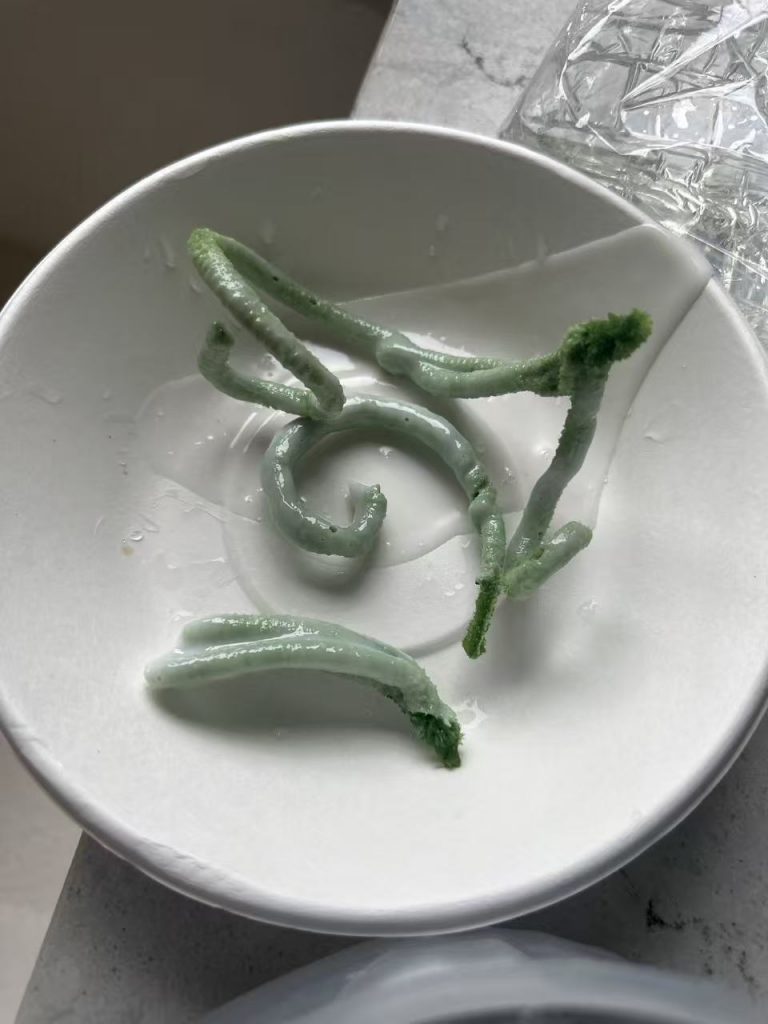
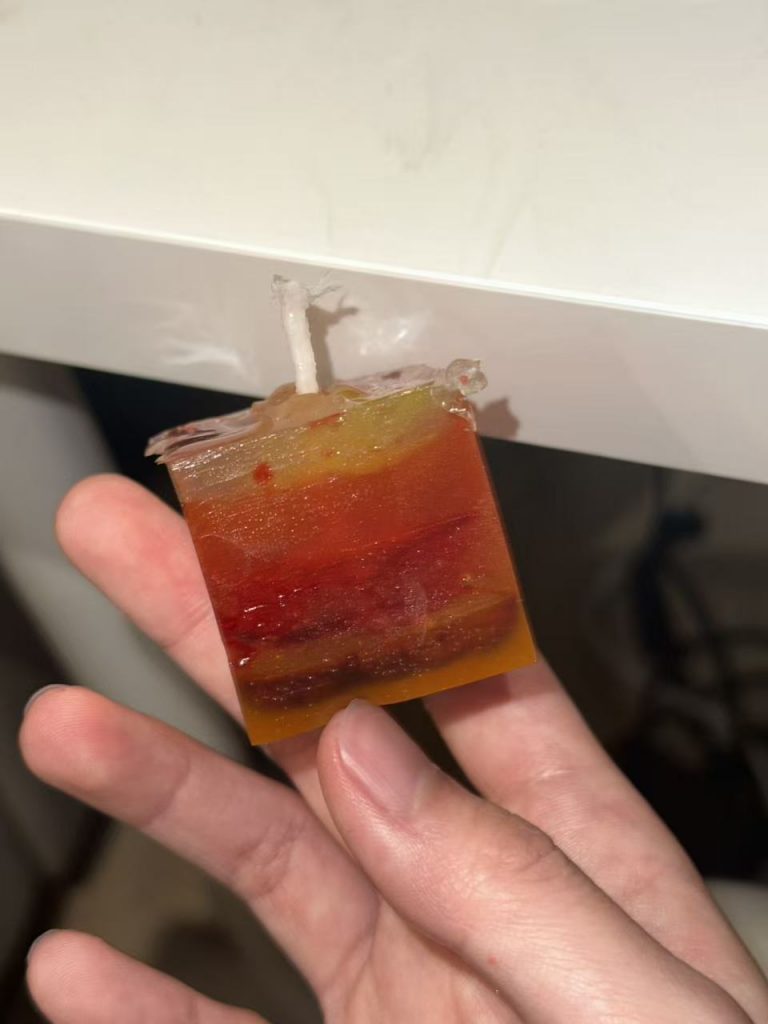
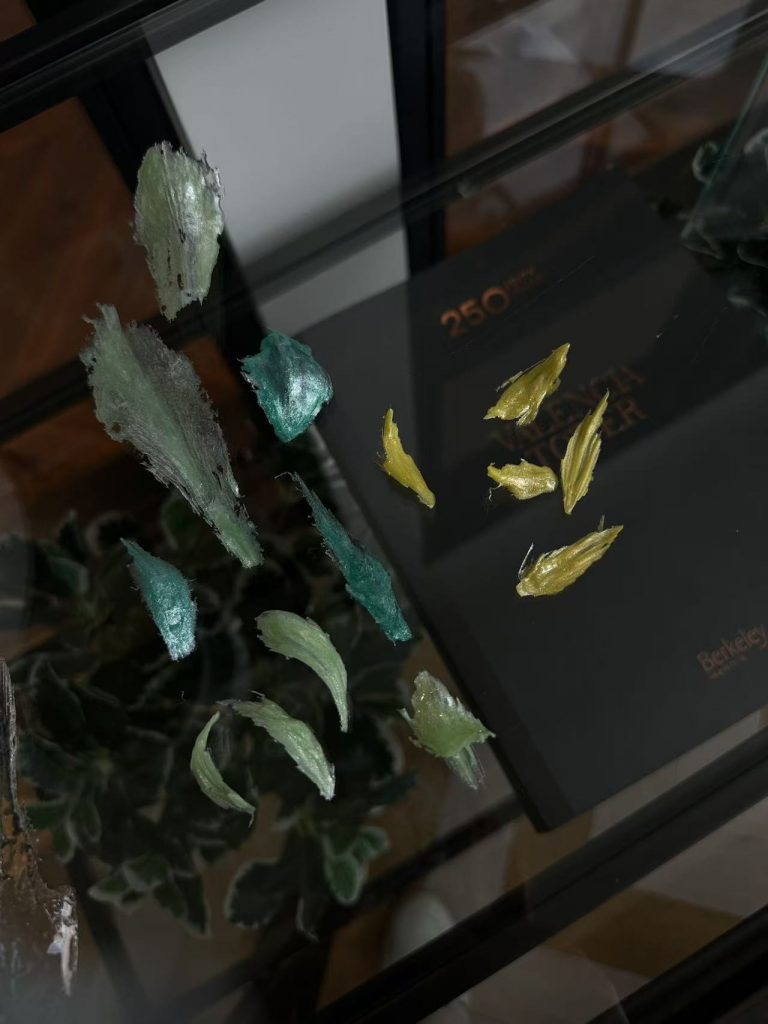
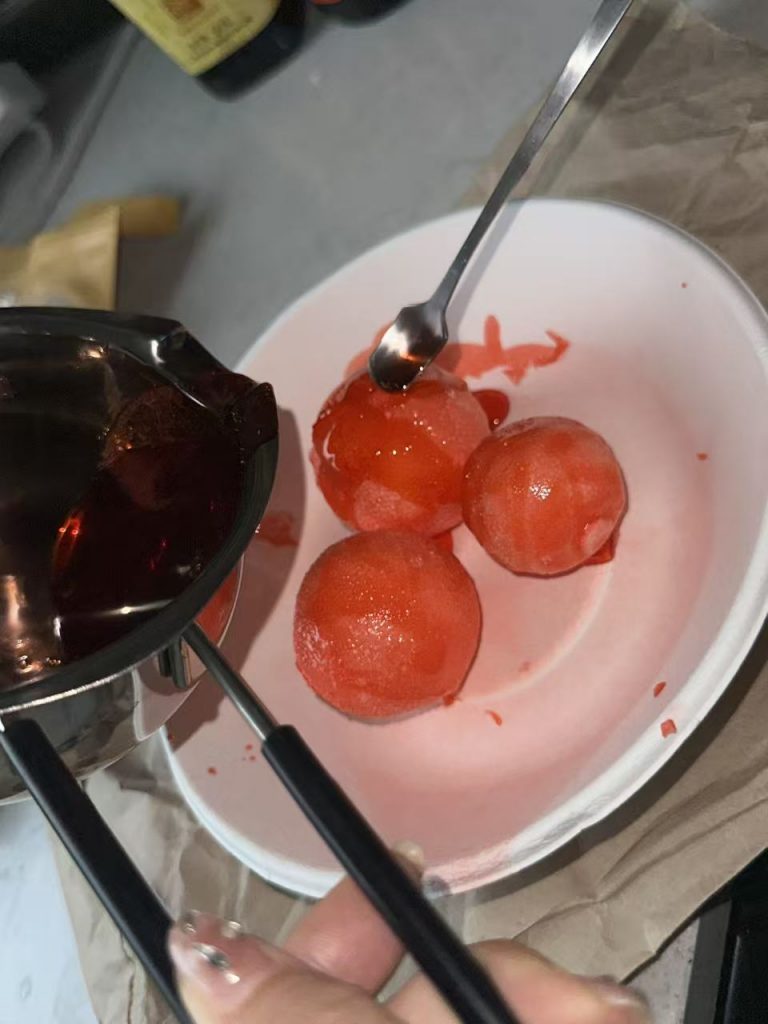
Based on the test results, I conducted further research and expansion on the materials used in production, attempting to combine and apply various different materials to enrich the visual hierarchy and material expression of plants. At the same time, I selected corresponding materials according to the structural characteristics of different plant parts, making the overall shape more in line with design requirements and enhancing the handmade texture and expressiveness of the installation.
In addition, to enhance production efficiency and modeling precision, I have introduced some auxiliary molds for shaping plant details. The use of molds reduces the difficulty of creating complex forms, enabling more stable molding of different materials, while ensuring the consistency in shape of each plant model. This provides a more reliable process plan for the overall production of subsequent installations.
Leave a Reply